


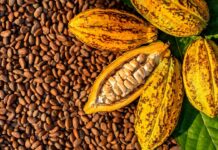







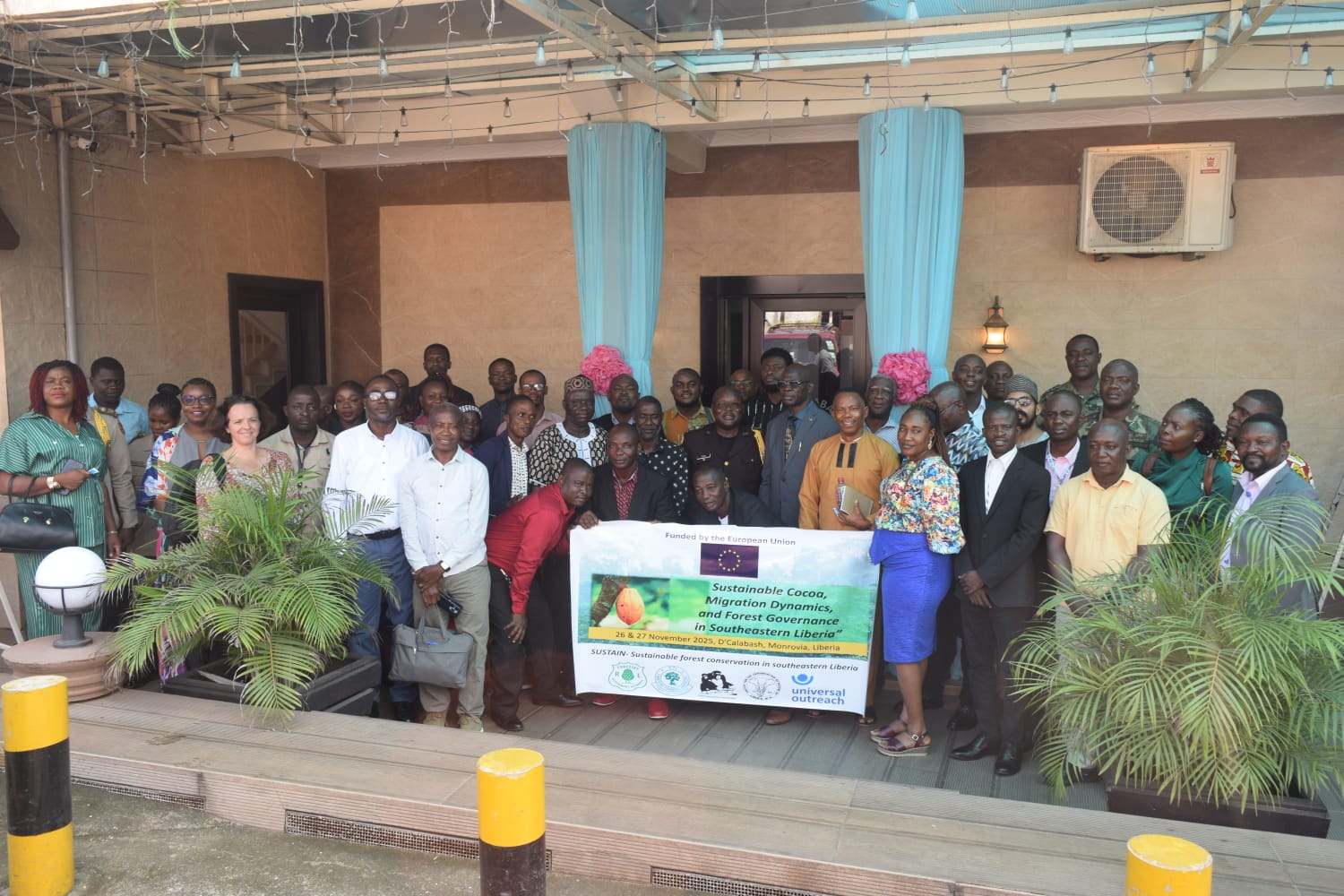
Amidst mounting concerns over the scramble for forest land in Liberia’s South-eastern region by Burkinabè migrants seeking farmland for cocoa production, national stakeholders have developed a comprehensive roadmap to promote inclusive and zero-deforestation cocoa farming.
The stakeholders were drawn from the forestry, agriculture and conservation sectors of Liberia, including EU, National and International nongovernmental organizations.
The document, finalized during a two-day workshop on sustainable cocoa production, migration dynamics, and forest governance in November 28, 2025, is set to be presented to President Joseph Nyuma Boakai at the Executive Mansion. Organizers hope to secure presidential support to avert the looming threat of widespread deforestation, particularly in Liberia’s forest-rich Southeast.
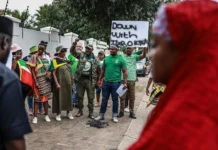
The roadmap comes at a critical time,the Liberia Refugee Repatriation and Resettlement Commission (LRRRC) and the Liberia Immigration Service (LIS) have documented more than 150,000 Burkinabè migrant cocoa farmers in the region. Their influx has sparked alarm among civil society groups and conservation organizations, who warn of encroachment on protected forest landscapes.
During the workshop, a representative of the European Union (EU) underscored the urgency of aligning Liberia’s cocoa sector with international standards.
He reminded participants that under the EU’s deforestation regulation, only cocoa produced without forest destruction will be permitted on European markets.
“Liberia’s forest must be protected and conserved, and we are supporting the government through the Forestry Development Authority to achieve this,” he said. “Any cocoa produced beyond 2021 in forest landscapes will not be allowed on EU markets.”
The EU emphasized that the roadmap directly supports the European Union Deforestation Regulation (EUDR) and urged Liberia’s government to take decisive steps toward sustainable forest governance.
Security concerns also featured prominently. Retired Major-General Daniel Zenkan, Military Adviser to President Boakai, revealed that Liberia is finalizing its National Security Strategy, noting that insights from the workshop will inform the plan.
“Beyond the economic implications, there are serious security dimensions to the influx of migrants, which we are not taking lightly,” General Zenkan stressed. Security actors called for increased manpower and logistical support to strengthen border patrols and safeguard protected areas in the Southeast.
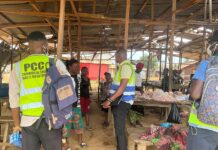
Local authorities echoed these concerns. The Superintendents of Grand Gedeh, River Gee, and River Cess Counties reported that they have already begun taking measures to prevent migrant cocoa farmers from encroaching on protected and proposed protected areas. They pledged to collaborate with security agencies and conservation NGOs such as the Wild Chimpanzee Foundation (WCF) to reinforce forest governance.
The Ministry of Agriculture, however, cautioned that the roadmap’s success hinges on effective collaboration among all stakeholders.
Organized by the WCF with funding from the EU, the workshop brought together representatives from the Ministries of Agriculture, Internal Affairs, Forestry Development Authority, Land Authority, Environmental Protection Agency, Liberia Immigration Service, Welthungerhilfe, and the Society for the Conservation of Nature of Liberia, amongst others.
Southeast Liberia, home to one of the largest forest belts linking the country to neighboring Ivory Coast, contains three protected and proposed protected areas which is under constant threat. The roadmap seeks to ensure that this vital ecological corridor remains intact while fostering sustainable cocoa production that benefits both Liberians and migrants under strict environmental safeguards.