









By Nathan Kollie/National Correspondent Bong
Mrs. Zipporah Page, Research Officer for the Crops Program at the Central Agriculture Research Institute (CARI), has unveiled new findings that spotlight the potential of ratoon rice production to strengthen Liberia’s domestic rice yields and reduce reliance on imports.
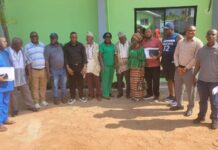
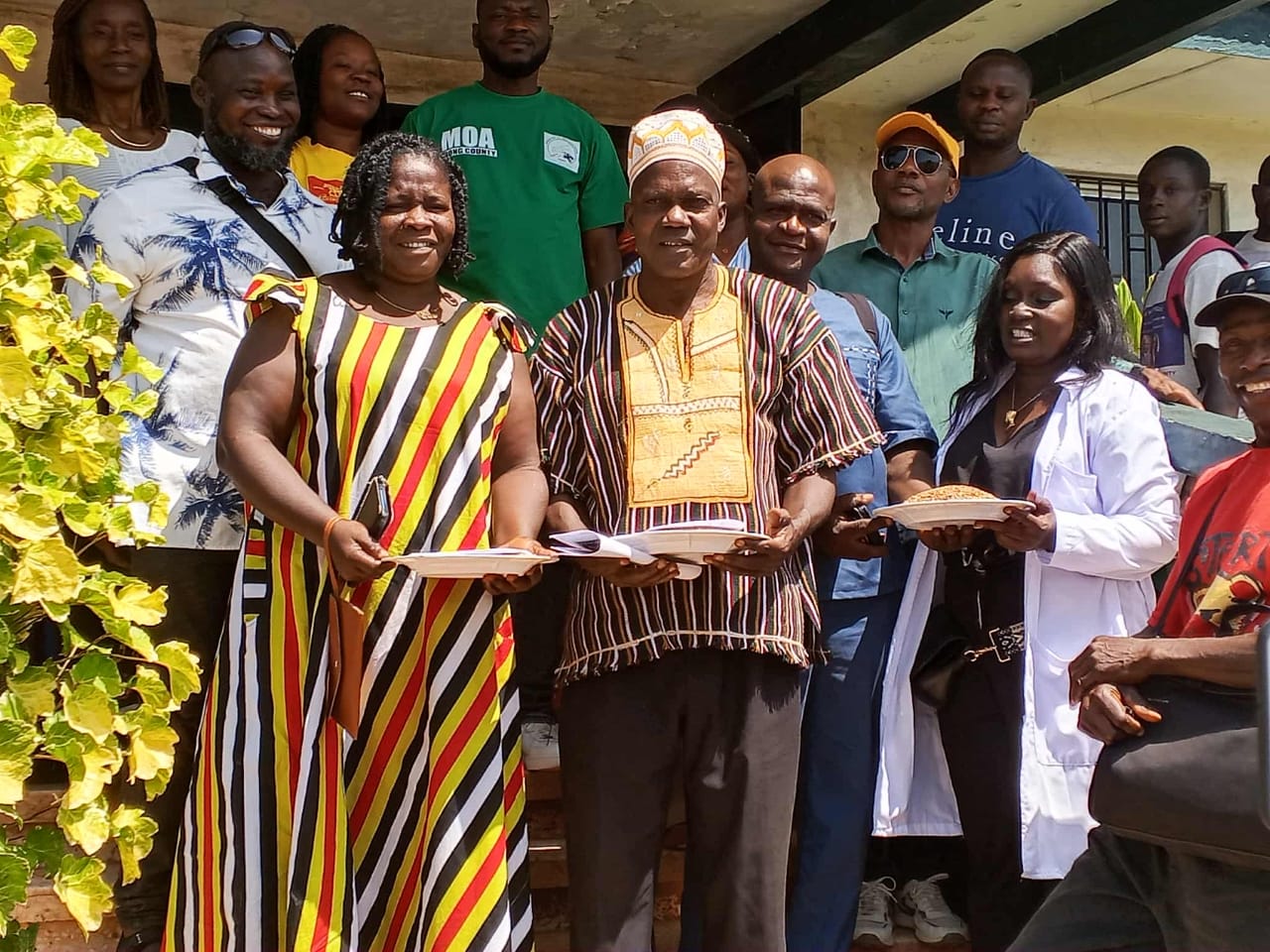
The seminar, held at CARI’s research center, brought together farmers, scientists, and agricultural stakeholders to discuss innovations in rice cultivation.
Rice at the Heart of Food Security
Presenting her study, Mrs. Page underscored rice as central to Liberia’s food security but noted persistent yield gaps.
In 2003, Liberia cultivated 251,230 hectares of rice yet achieved an average yield of just 1.8 tons per hectare — far below neighboring countries, where yields average around 5 tons.
She urged a shift from subsistence farming toward market-oriented production, emphasizing the need for science-driven agricultural practices to meet national demand.
According to the Regional Agriculture Coordinator for Bong, Nimba, and Lofa Counties, ratoon rice offers a promising pathway to higher productivity and sustainability. The system involves harvesting the first crop and allowing the remaining stubble to regrow for a second harvest within the same season.
Findings from CARI’s Experimental Site
The study, conducted between September 2024 and May 2025 at CARI’s Suakoko experimental site, evaluated ratoon potential across multiple global rice varieties cultivated in Liberia.
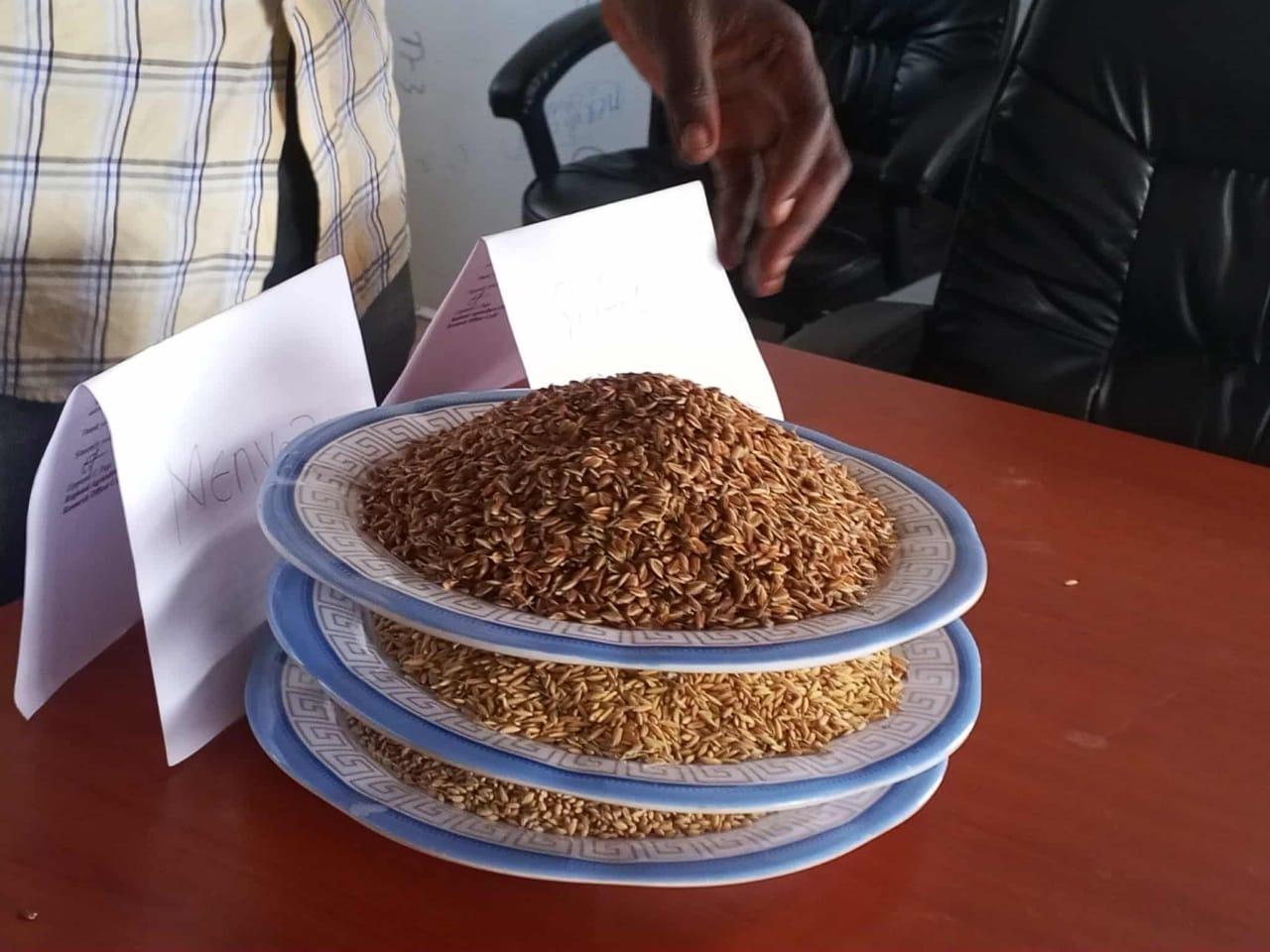
For effective management, Mrs. Page explained that the main crop was harvested at 80 percent maturity to ensure vigorous regrowth, while 0.5 kilograms of urea was applied to stimulate ratoon tillering.