


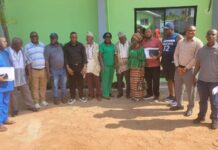





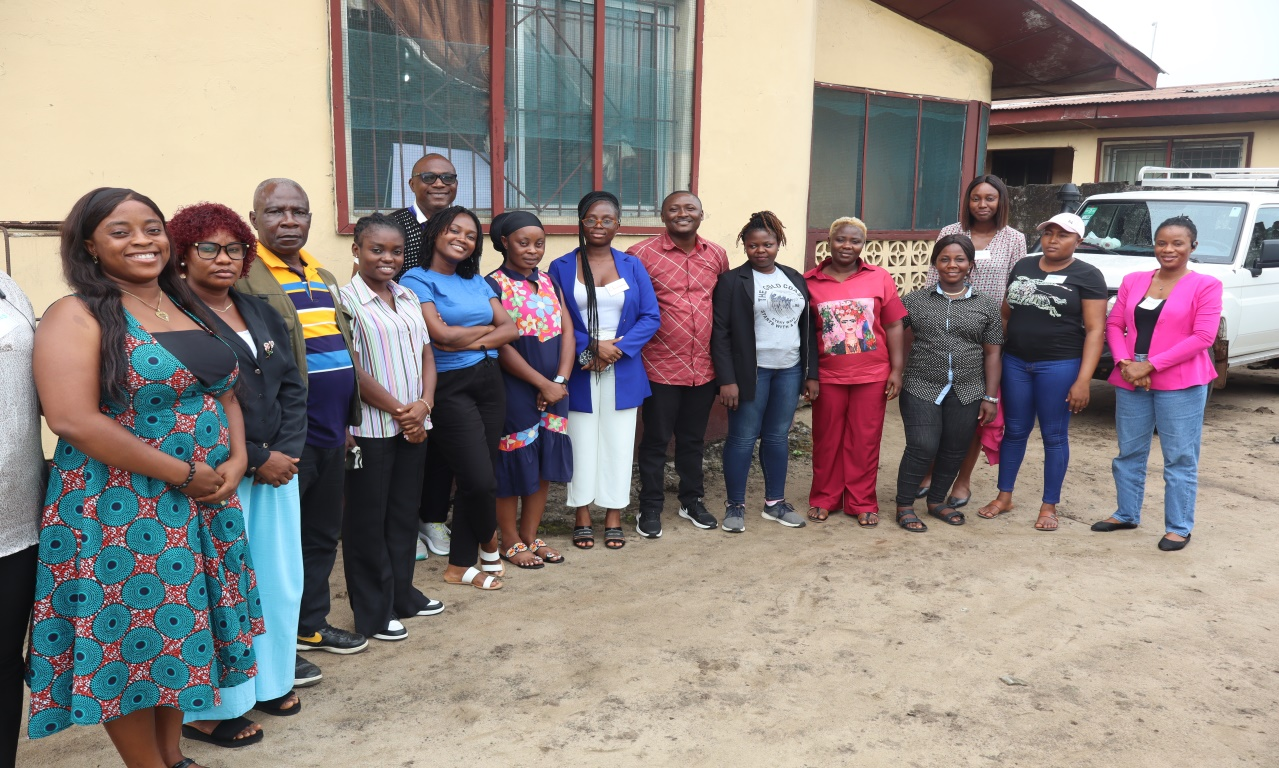
With the support of the International Land Coalition (ILC), the National Land Coalition (NLC) of Liberia, or the MAP Liberia Land Platform, convened a gathering of stakeholders in Monrovia to draft a comprehensive National Gender Action Plan, from 5 – 6 December 2025.
The NLC or MAP Liberia Land Platform had 2 years ago signed up to the ILC Africa Gender Justice Charter, by which ILC Africa member commit to the principles of Gender Justice and to implementing these commitments as outlined in the charter. In 2024, the National Land Coalition of Liberia conducted a gender audit to assess the limitations, opportunities, and perspectives of adopting a gender-sensitive approach within the platform’s internal and external activities.
This included engagements with the government, civil society organizations, and private sector members in Liberia. The audit enabled the platform to strengthen its efforts in promoting gender justice by sharing experiences, policies, and practices related to gender mainstreaming at both the organizational level and within communities, which is the platform’s primary focus.
In order to operationalize the charter and the recommendations of the Gender Audit, the NLC of Liberia held a two-day session with its members to develop the National Gender Action Plan. The two-day session develop a strategic roadmap aimed at ensuring that gender justice is integrated into policies, programs, and projects.
The National Gender Action Plan will assist the coalition in achieving three key goals: it will serve as a tool for gender-responsive transformation, provide a framework for systematic reforms and enhance accountability by establishing measurable targets and holding leaders responsible for their commitments. Furthermore, it reaffirms a strong dedication to gender equality, even as priorities shift due to internal and external influences.
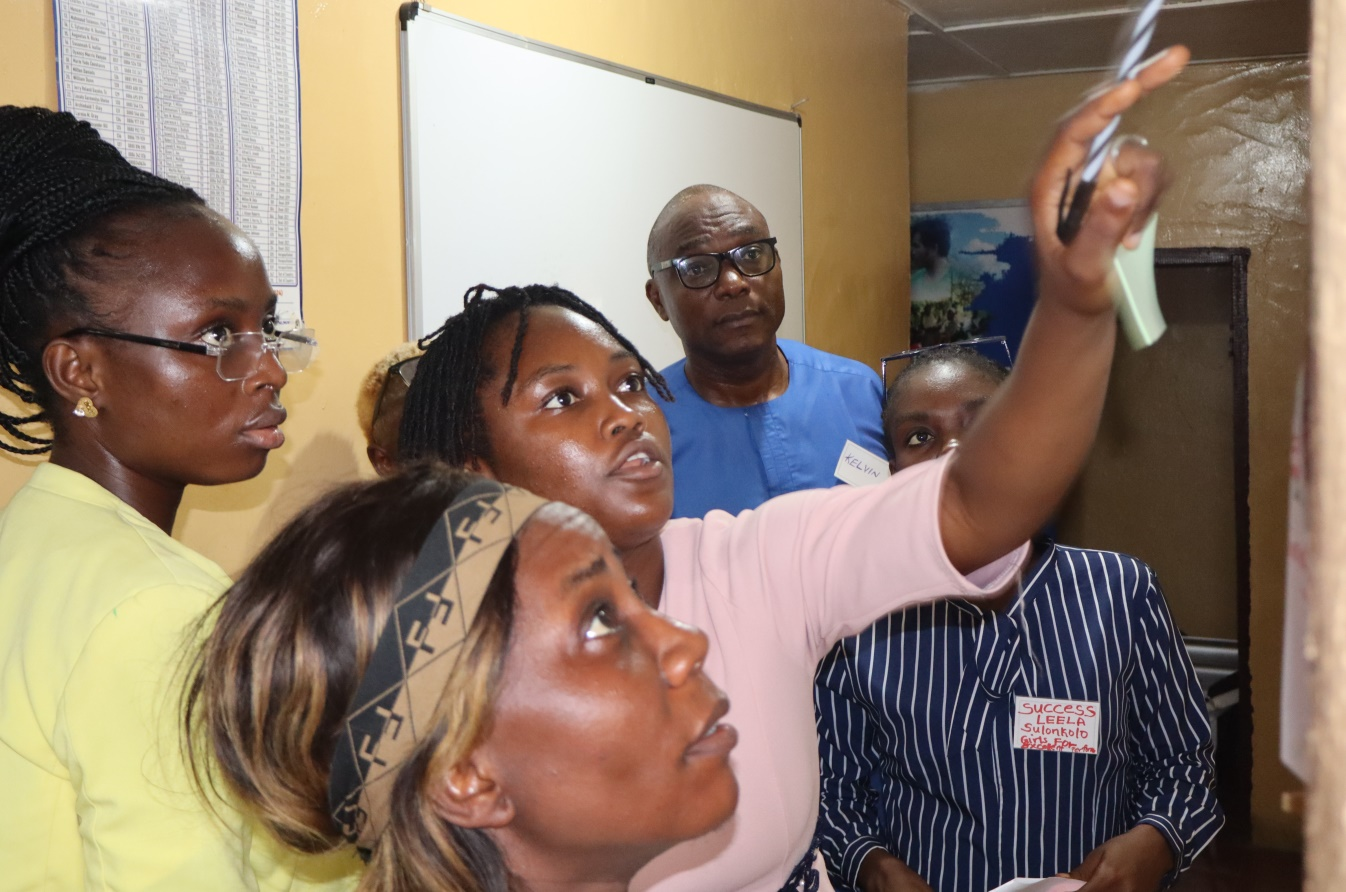
In his opening remarks, Mr. James Yarsiah, the Executive Director of the Rights & Rice Foundation and the National Facilitator of the MAP Liberia Land Platform, emphasized that developing a National Gender Action Plan adheres to the International Land Coalition (ILC) Africa Regional Framework. He noted that the platform has gone through a series of steps aligned with this framework, and the development of the National Gender Action Plan marks the third step in this process.
Mrs. Comfort Sawyer-Baysah, an experienced Liberian gender specialist provided guidance for the entire two day session. At the opening of the program she underscored the need for a gender-transformative approach in all policy discussions. As a facilitator, she explained, “Gender Justice strives for equal opportunities, rights, fair treatment, and access for all, aiming to eliminate discrimination.” She highlighted the importance of an intersectional approach, noting that gender issues intersect with other social categories like race and class, and emphasized that no one should be excluded. Justice matters because it drives human rights, social impact, and economic benefits, especially concerning land issues related to food security and livelihoods.
Key Results of the Session
The two-day working session resulted in a comprehensive and actionable Draft National Gender Action Plan (NGAP) that addresses documented inequalities through concrete implementation mechanisms. Actions were developed based on insights from MAP’s Gender Audit Report and aligned with the ILC Strategy. Each action includes specific implementation requirements, such as responsible parties (Lead, Supporter, Monitor), a defined budget, and a clear timeframe. Participants confirmed that the workshop successfully met its goals, particularly the expectation of developing a workable action plan for implementation.
Key Recommendations
To ensure the successful implementation and institutional support of the developed NGAP, participants recommended the following:
- Compile the draft NGAP matrix into a formal final document;
- Present the finalized NGAP to MAP for formal approval and commitment; and
- Allocate more than two days for future workshops to better address time constraints and reduce participant fatigue.