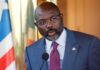

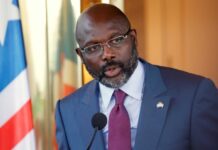





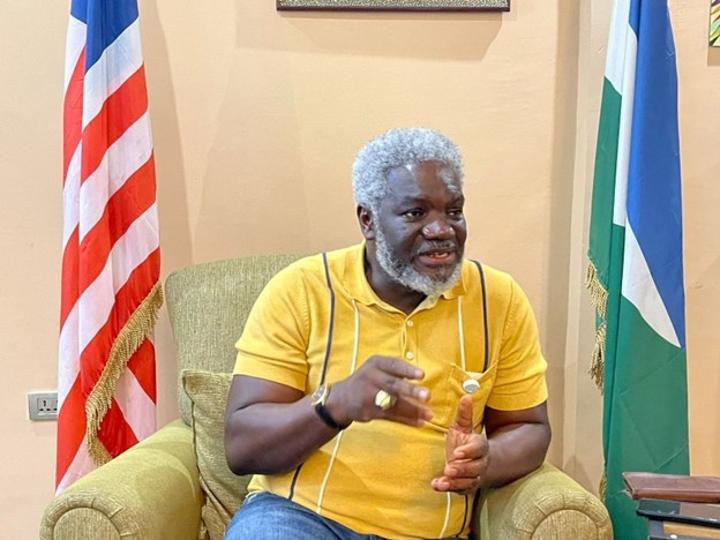
Abidjan, Côte d’Ivoire — Senator Zoe Emmanuel Pennue of Grand Gedeh County has unleashed explosive allegations against Liberia’s former Presidents, accusing them of systematically enriching themselves for decades through a fifty-cent surcharge on essential commodities, including petroleum products and rice.
The outspoken lawmaker made the claims during an interview recently December with Liberian Public Radio Bureau Chief Benjamin B. Tegbeh in Abidjan.
Boakai Praised for Price Stability
Senator Pennue credited the current stability of commodity prices in Liberia to President Joseph Nyuma Boakai, asserting that the relief stems directly from Boakai’s decision to abolish the controversial levy.
“Liberia is now experiencing stable prices on petroleum products, rice, and other commodities because President Joseph Nyuma Boakai canceled the fifty cents US surcharge since he took office,” Pennue declared.
The Senator, who has previously commended the Boakai-Koung administration’s infrastructure agenda, also lauded ongoing efforts to improve road connectivity and national development.
At the heart of Pennue’s accusation is the claim that the surcharge was never intended to benefit the Liberian people but instead served as a mechanism for past leaders to line their own pockets.
His remarks appear to reference recent measures by the Boakai administration aimed at easing the cost of living. In March 2024, President Boakai issued Executive Order No. 128, suspending a $0.20 surcharge on petroleum pricing. The government has also introduced policies to reduce the cost of rice and flour.
Pennue’s statement casts renewed scrutiny on Liberia’s historical commodity pricing structure, suggesting that hidden levies have long been a source of corruption and public exploitation.
The Senator’s explosive charges are expected to trigger strong reactions from the offices of former Presidents, potentially opening a new chapter in Liberia’s ongoing debate over economic accountability and governance.