

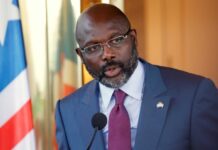






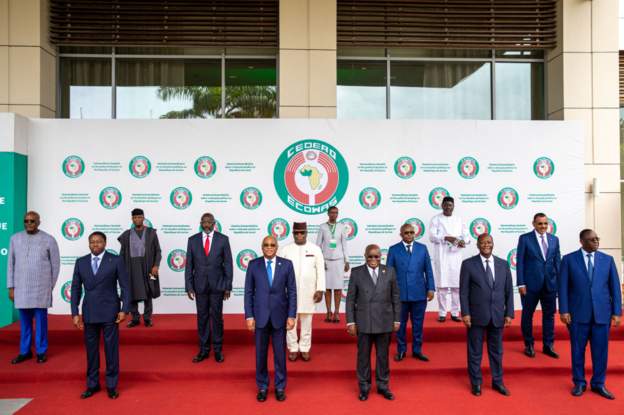
ABUJA, Nigeria — The Economic Community of West African States (ECOWAS) has positioned Liberia for a significant rise in regional influence, assigning it a major economic leadership role and earmarking the country to potentially head the ECOWAS Commission in the next decade. The decision emerged from the bloc’s 68th Ordinary Session of the Authority of Heads of State and Government, held December 14 in Abuja, Nigeria, where leaders adopted a sweeping communique outlining priorities for integration, stability, and institutional reform.
Liberia was represented at the summit by Foreign Minister Sara Beysolow Nyanti. Sierra Leone’s President Julius Maada Bio, current chair of the ECOWAS Authority, presided over the deliberations.
Liberia’s Expanding Institutional Role
Liberia was assigned responsibility for regional economic coordination, fiscal convergence, and agricultural policy.
The Authority agreed to allocate the bloc’s top executive position to Liberia, contingent on eligibility requirements at the time of appointment. If confirmed, this would mark Liberia’s first leadership of the Commission — a milestone in its diplomatic history.
Liberia was also designated to hold seats on the ECOWAS Court of Justice, expanding its institutional footprint within the regional body.
Leaders cited faster growth, easing inflation, and fiscal consolidation across the bloc. Member states were urged to strengthen domestic revenue mobilization and improve public spending efficiency — issues central to Liberia’s fiscal agenda.
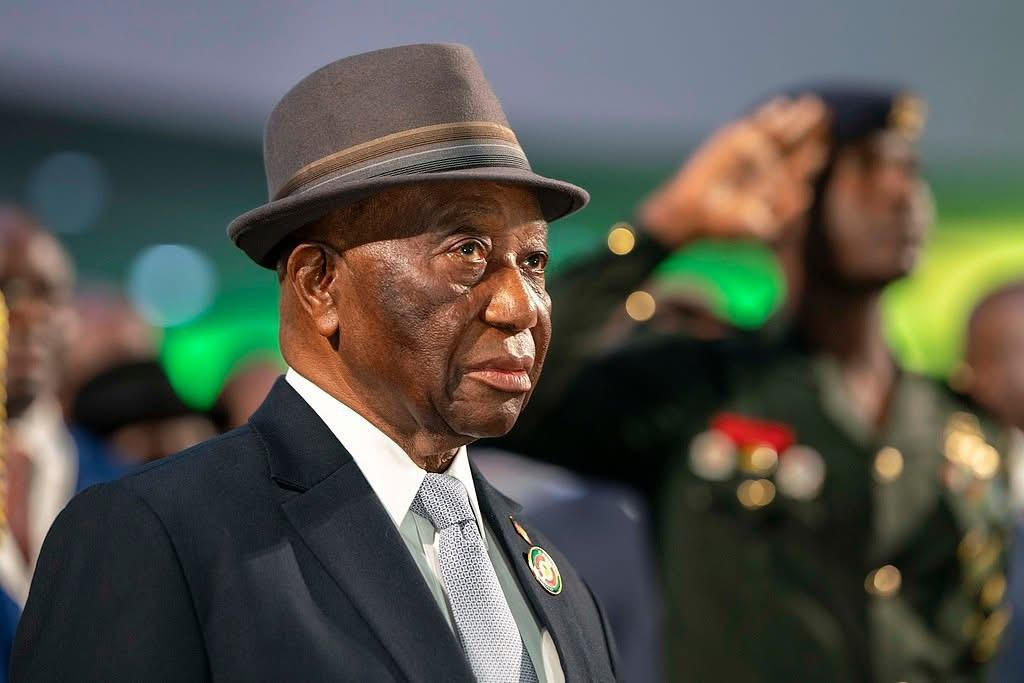
Concerns were raised over slow macroeconomic convergence as the proposed ECO currency nears its launch window. ECOWAS reactivated the Presidential Task Force on the Single Currency, intensifying pressure on member states, including Liberia, to meet convergence benchmarks.
Infrastructure, Trade, and Aviation Reforms
The communique celebrated the synchronization of power systems across 15 West African countries in November 2025. However, leaders warned that payment defaults by national utilities threaten the sustainability of the West African Power Pool, with implications for Liberia’s electricity supply.
Member states were directed to cut passenger and security charges by 25 percent and remove certain air transport taxes beginning January 1, 2026. The move is expected to lower airfares and ease travel costs across the region, including Liberia.
ECOWAS institutions were tasked with harmonizing rules under the ECOWAS Trade Liberalization Scheme and resolving disputes linked to regional levies — a recurring challenge for Liberian exporters.
Governance, Security, and Stability
ECOWAS reaffirmed its opposition to coups and unconstitutional changes of government, condemning recent disruptions in the region.
Leaders expressed alarm over worsening insecurity in the Sahel and Lake Chad Basin, approving emergency counterterrorism funding for frontline states.
While Liberia was not identified as a security hotspot, the Authority urged all member states to reinforce democratic institutions, human rights protections, and anti-corruption frameworks — priorities that remain central to Liberia’s post-conflict governance agenda.