











The Liberia Refugee Repatriation and Resettlement Commission (LRRRC) closed 2025 with a record of achievements that underscore its growing role in humanitarian response, even as the institution continues to wrestle with serious operational challenges.
One of the Commission’s most notable accomplishments was the development and operationalization the Government of Liberia’s Service Delivery Charters (SDCs) ,The SDCs is a framework document that creates a social contract between public institutions and citizens, ensuring quality, timely, transparent, and accountable government services by clearly defining services, standards, responsibilities, and feedback mechanisms, ultimately fostering public trust and enhancing good governance
The organization Executive Director and Officer in Charge Jackson J. Paye explained that the charter has already begun to strengthen institutional systems and controls, helping the Commission respond more effectively to the needs of vulnerable populations.
In the area of refugee protection, LRRRC registered approximately 100 asylum claims into the proGres system during the year. The Asylum Committee of Liberia convened two sittings, granting refugee status to 55 individuals at first instance. Beyond status determination, the Commission facilitated access to civil documentation, including 50 work permits and 16 resident permits, which proved vital in integrating Ivorian refugees and others into Liberian society.
Repatriation and reintegration also featured prominently in 2025. With support from the International Organization for Migration (IOM), LRRRC facilitated the voluntary return of 104 Liberians from across the sub-region and beyond. Reintegration packages provided by United Nations International Organization for Migration (IOM) eased their transition back home. Samaritan’s Purse further supported 125 returnees with reintegration packages, while 39 beneficiaries received small business loans to rebuild their livelihoods. During the year under review, in collaboration with the African Union and the Ministry of Foreign Affairs, the Commission launched a special reintegration project targeting 500 beneficiaries, including 350 school-going children who received educational support and 150 household heads who benefited from reintegration assistance.
Development of a strategic plan
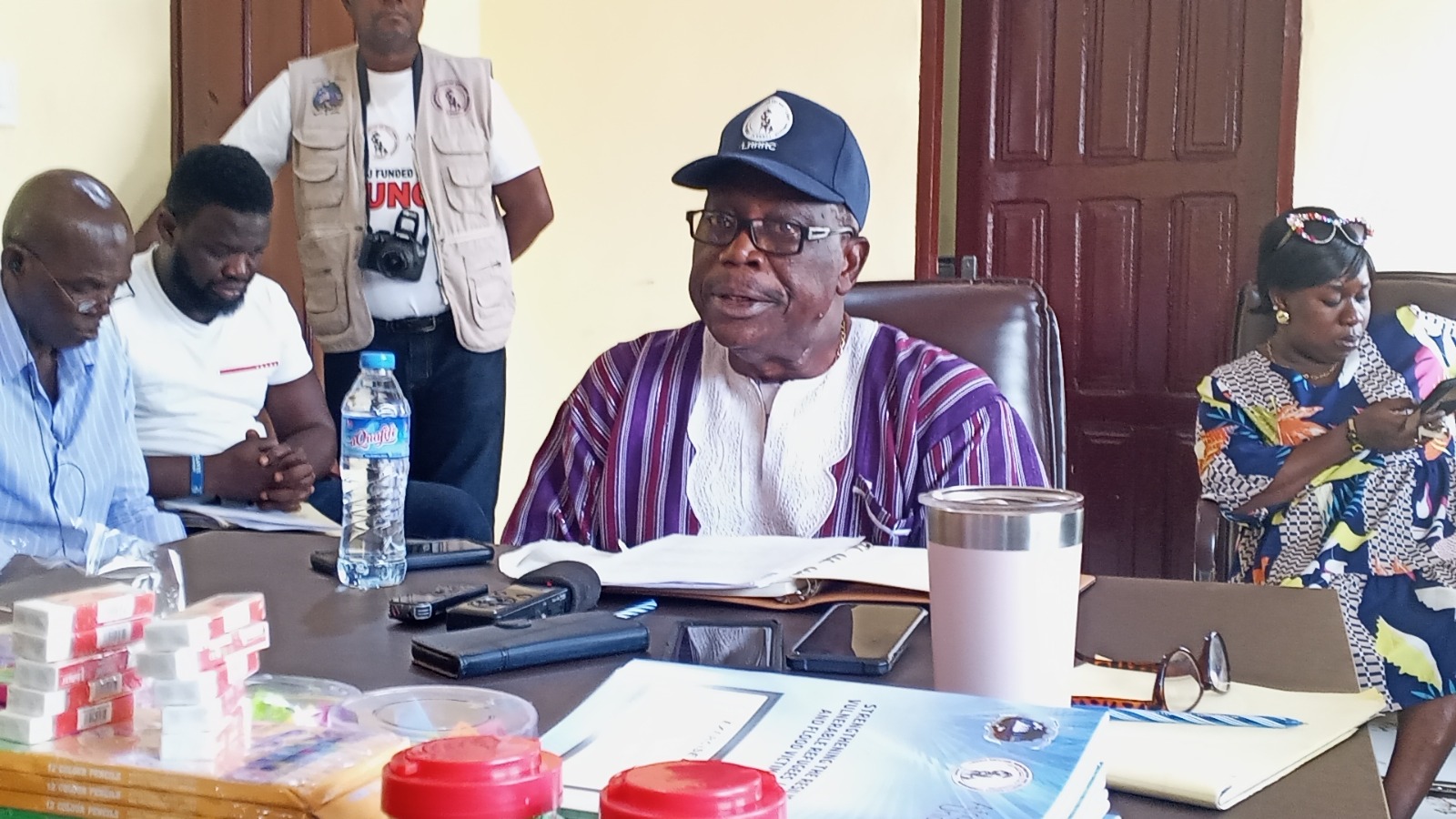
Addressing the media over the weekend, Director Paye, added that LRRRC is developing a five-year strategic plan (2026–2030) aligned with the government’s ARREST Agenda for Inclusive Development (AAID). The plan is expected to guide future interventions, ensuring that refugee protection and reintegration efforts remain consistent with national development priorities.
The Commission also invested in its workforce, intensifying capacity-building initiatives to improve technical competence and service delivery. Several staff members underwent training at the Liberia Institute of Public Administration (LIPA), equipping them with skills to enhance productivity and institutional performance.
Challenges confronting the entity
Despite these gains, the Commission continues to face significant challenges. According to officials of the LRRRC, a lack of transport vehicles is hindering staff mobility amid the low remuneration many of them receive.
“Most of our vehicles here are more than a decade old. Some of them were donated by UNHCR, which is no longer operating in this region, and they have even left Ivory Coast,” Director Paye stated.
Employees also contend with low take-home salaries, which affect morale and retention. Moreover, limited operational funds constrain the Commission’s ability to expand programs and sustain interventions at the scale required.
“Our achievements in 2025 demonstrate resilience and commitment,” the Executive Director remarked, “but without adequate resources, improved staff welfare, and logistical support, sustaining these gains will be difficult.”
However, the organization commends the government of Liberia for continuous support and calls for increased budgetary allocation as it embarks on several reform initiatives in 2026 to navigate complex humanitarian and migration challenges.