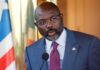


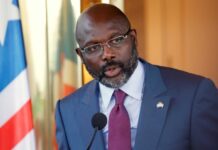





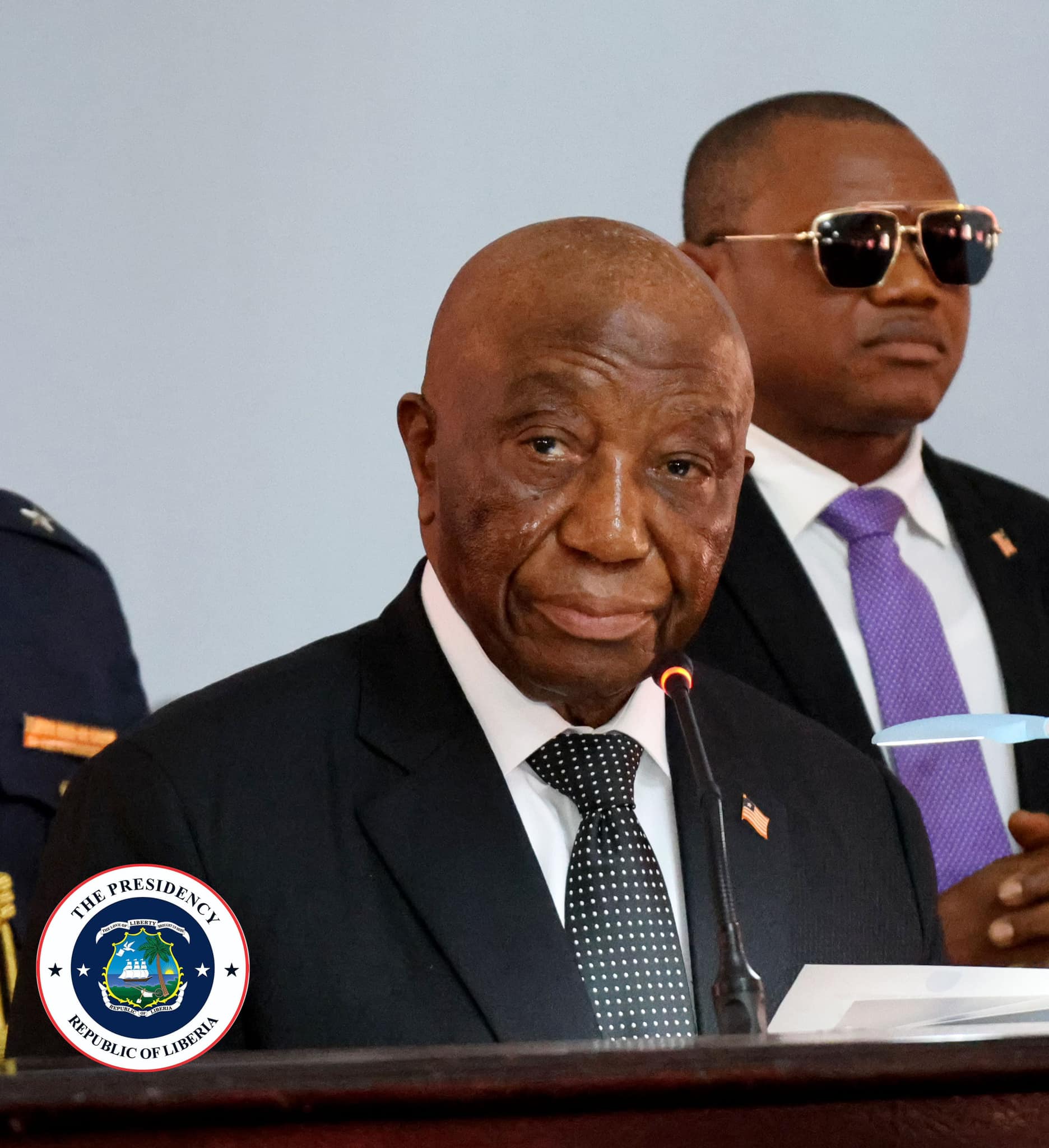
President Joseph Boakai’s third State of the Nation Address has emerged as more than a constitutional ritual.
It has become a defining political moment, signaling his administration’s determination to confront Liberia’s unfinished transition from military rule to full democratic governance, while presenting an economic narrative built around stabilization, resilience, and gradual relief from cost-of-living pressures.
Confronting the Legacy of Military Rule
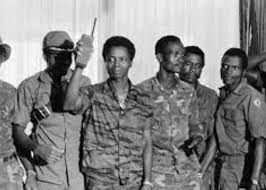
The President’s message was a bold commitment to repeal decrees dating back to the People’s Redemption Council (PRC) era of late president Samuel Kayon Doe.
These decrees, enacted after the 1980 coup, were designed to consolidate power in the absence of an elected legislature. Though some were later absorbed into statutory law, many remain intact, quietly shaping institutions and administrative practices decades after the return to constitutional government.
Weaken institutional progress
Boakai’s decision to confront these remnants reflects an acknowledgment that authoritarian-era laws continue to distort accountability, weaken transparency, and erode public trust. By elevating their repeal into a legislative priority, he argues that Liberia’s democratic consolidation remains incomplete without a thorough review of the state’s legal foundations.
Importantly, the President framed this repeal effort within a broader reform agenda. He linked it to amendments to the Executive Law and restructuring of the Ministry of Foreign Affairs, presenting governance reform as comprehensive rather than symbolic. His emphasis on modernizing the Foreign Ministry underscores Liberia’s evolving global engagement—spanning economic partnerships, diaspora relations, and international development financing.
In this context, legal reform is not abstract. It is positioned as a practical necessity for improving service delivery, strengthening institutions, and enhancing national competitiveness.
Economic Transparency and Resilience
Boakai also addressed Liberia’s economic challenges head-on, acknowledging the severe shock caused by the abrupt reduction in donor support during 2025. By admitting the hardship, job losses, and disruption, he positioned his administration as transparent and realistic rather than defensive.
The funding cut, framed as both crisis and lesson, exposed the risks of overdependence on external partners and reinforced the need for domestic resource mobilization, fiscal discipline, and economic self-reliance.
Economic indicators presented in the address—declining inflation, rising reserves, improved export performance, and appreciation of the Liberian dollar—suggest cautious optimism. Yet Boakai acknowledged that structural challenges such as unemployment, infrastructure deficits, and global volatility remain pressing concerns.
Rebuilding Trust Through Constitutionalism
Politically, the President emphasized cooperation among the branches of government, grounding reforms in constitutional requirements.
This recalibration is particularly significant given that PRC decrees were originally enacted without legislative input. His insistence on dialogue, mutual respect, and legislative approval signals an effort to replace unilateral rulemaking with participatory governance, reinforcing democratic norms weakened during years of instability.
Boakai further tied governance reform to economic opportunity. Agreements in mining, infrastructure, and rail development were presented as evidence that institutional clarity and legal certainty can attract credible investors. The planned reactivation of the Putu Iron Ore Mine and reaffirmation of Liberia’s eligibility for a second Millennium Challenge Corporation (MCC) Compact highlight the direct link between reform and job creation.
Challenges of Implementation
Despite the ambitious agenda, implementation remains the ultimate test. Repealing decrees is a complex legal and political process requiring careful sequencing, legislative consensus, and public communication. Poorly managed, it risks creating institutional gaps; well executed, it could strengthen governance and restore public trust.
President Boakai’s third State of the Nation Address represents a deliberate attempt to align Liberia’s legal foundations with its democratic aspirations while reinforcing economic stability amid external shocks. By placing the repeal of PRC-era decrees at the center of national debate, he has challenged Liberians to confront the lingering shadows of military rule and to define the kind of state they wish to build.
True progress, he suggests, lies not only in economic indicators but in the courage to reform outdated laws, modernize institutions, and ground governance firmly in the will and welfare of the people.