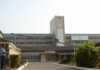


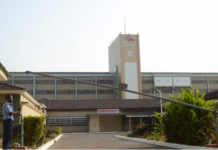









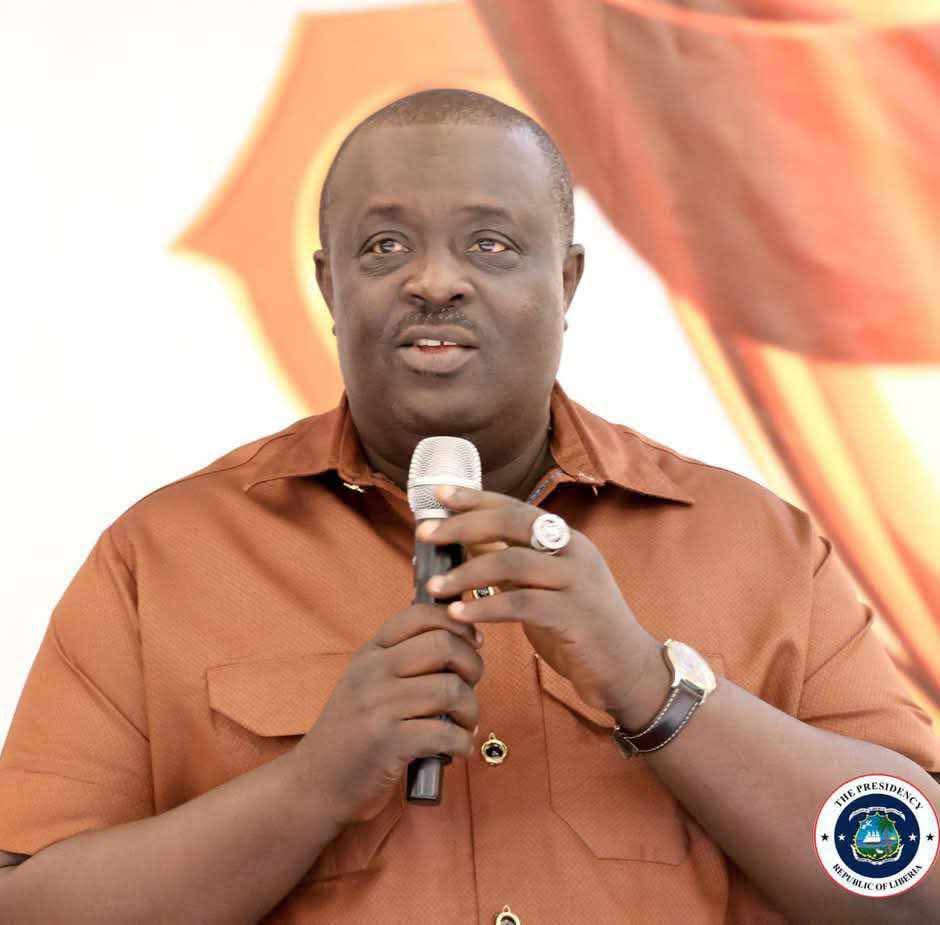
The Liberia Refugees Repatriation and Resettlement Commission (LRRRC) has entered a new era of leadership and reform, following a landmark takeover by its new Executive Director. Cllr. Jeror Cole Bangalu.
The address, made before cabinet colleagues, development partners, members of the diplomatic corps, and staff of the Commission, outlined sweeping changes aimed at repositioning the institution to meet the evolving challenges of migration, displacement, and statelessness in Liberia.
The Executive Director, reaffirmed at the Cabinet level by the President of the Republic of Liberia, described the moment as more than a routine leadership change, calling it “a new chapter in the life of this Commission and in Liberia’s response to some of the most complex human mobility challenges of our time.”
He emphasized that the LRRRC can no longer function as a “single-issue institution of the past.” With migration patterns shifting globally and nationally, the Commission is being tasked to broaden its scope to include migration governance, statelessness, management of Liberian deportees, internally displaced persons, and responses to emerging cross-border population movements.
“This transformation will not be cosmetic,” the Executive Director declared. “It will be structural, legal, and strategic.” He announced plans to pursue amendments to the 1993 Act establishing the Commission, ensuring its mandate reflects international best practices and regional frameworks. A comprehensive, costed work plan will be developed to drive results, while a high-level Policy Working Group will be established to guide reforms with expertise from government, academia, civil society, and development partners.
Institutional strengthening will also be prioritized through a capacity needs assessment and credentials audit, ensuring the Commission is fit for purpose. A modern data management system will be introduced to replace guesswork with evidence-based policy decisions.
Influx of Burkinabees in Liberia
Operationally, the Commission will commission a baseline study on the influx of Burkinabè migrants in South-Eastern Liberia, address the situation of remaining Ivorian refugees, and work toward establishing modern reception centers that reflect dignity, efficiency, and Liberia’s commitment to human rights.
Acknowledging the scale of the task, Director Cole Bangalu underscored the need for significant financial investment.
With the President’s backing, the Commission will submit a detailed Public Sector Investment Program request and supplementary budget proposal, while deepening engagement with donor partners. “We are not asking for charity,” he stressed. “We are offering partnership grounded in transparency, shared responsibility, and measurable impact.”
He praised the staff of the LRRRC as the “backbone of the institution,” pledging open dialogue and shared ownership of success. To the Liberian people, he promised that the Commission would be a place where displaced persons are protected, migrants are managed responsibly, and human dignity is upheld without compromise.
“With the President’s full support, the commitment of our partners, and the dedication of our staff, I am confident that the LRRRC will emerge stronger, more relevant, and fit for the future,” he concluded.
The takeover statement marks a decisive step in Liberia’s migration governance, signaling a future where the LRRRC plays a central role in safeguarding vulnerable populations while aligning national policy with global standards.