










The Government of Liberia, in partnership with the African Development Bank (AfDB) Group, has unveiled two flagship governance initiatives designed to strengthen financial systems, enhance transparency, and expand domestic revenue mobilization.
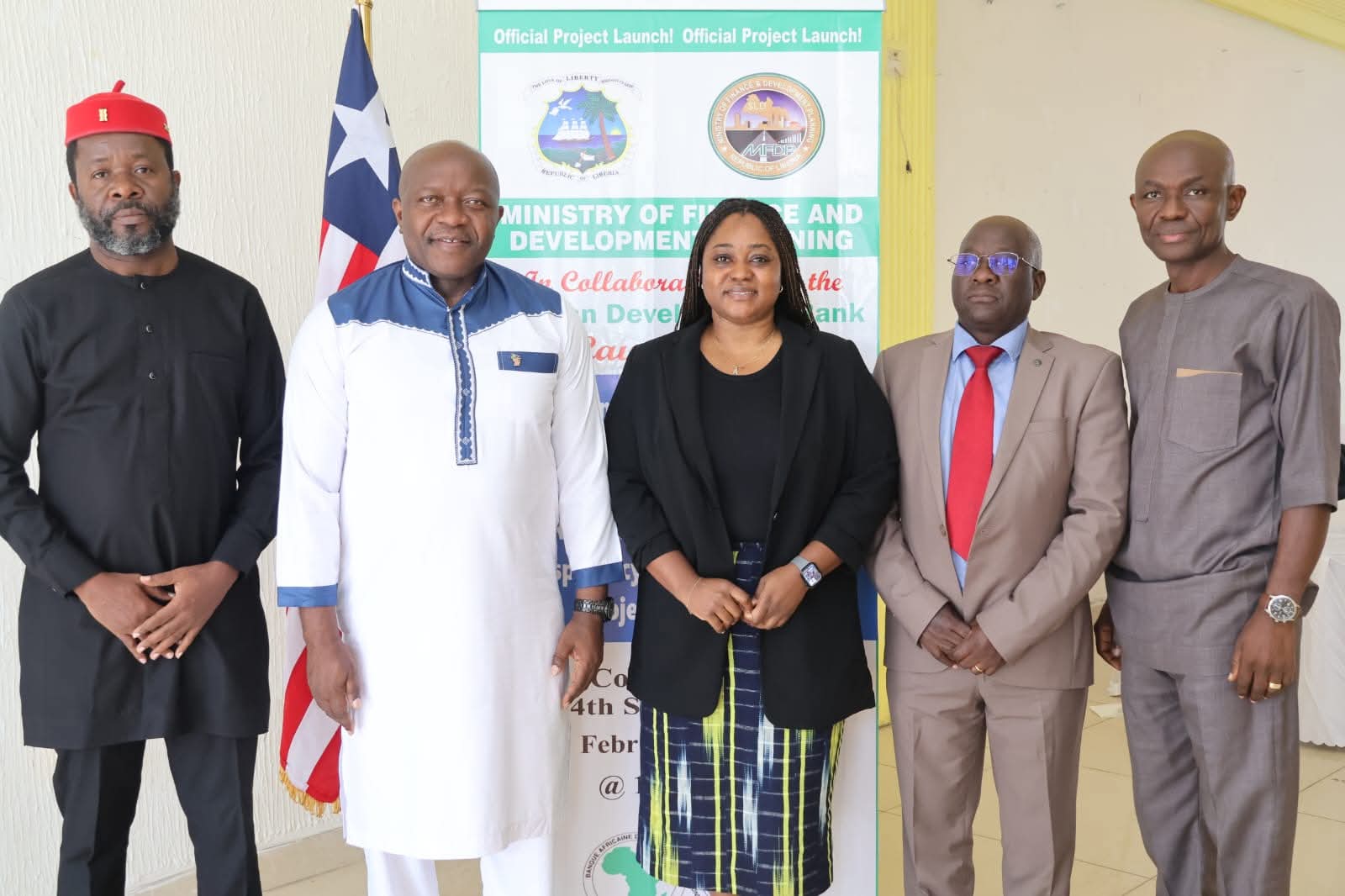
The Institutional Support for Enhanced Domestic Revenue Mobilisation and Reform Implementation Project (ISEDRMP) and the Debt and Ownership Transparency Technical Assistance Project (DOT-TAP) were launched in Monrovia by Finance and Development Planning Minister Augustine Kpehe Ngafuan, alongside senior AfDB officials.
Strengthening Liberia’s Fiscal Foundations
The ISEDRMP, a four-year program valued at US$20.94 million, represents one of the most ambitious fiscal reform efforts in Liberia’s recent history. It is financed through an US$18.94 million loan from the African Development Fund (ADF-16) and the Transition Support Facility (TSF), with an additional US$2 million in-kind contribution from the Liberian government.
Minister Ngafuan emphasized that the project is central to President Joseph Boakai’s ARREST Agenda, declaring that “GDP growth must translate into real revenue that funds our priorities.”
The program will provide technical and logistical support to 14 institutions, including the Liberia Revenue Authority (LRA) and the Ministry of Justice. It is expected to modernize Liberia’s tax administration by laying the groundwork for a Value-Added Tax (VAT) system, a reform that could significantly broaden the country’s tax base. In addition, the initiative will overhaul mining and natural resource policies to close loopholes that have historically led to revenue leakages, ensuring that Liberia benefits more equitably from its mineral wealth.
Digitization is another cornerstone of the project. By introducing modern digital platforms across tax and judicial systems, the government aims to reduce inefficiencies, curb corruption, and improve service delivery. These reforms are anticipated to create a more transparent and predictable fiscal environment, boosting investor confidence while strengthening public trust.
Advancing Transparency
The second initiative, DOT-TAP, is a US$1.37 million grant that tackles the often-hidden dimensions of financial governance. A key component is the establishment of a Beneficial Ownership Register—a digital database that will identify the individuals who ultimately own or control companies operating in Liberia. This measure is expected to align Liberia with international standards in combating money laundering, illicit financial flows, and corporate secrecy.
DOT-TAP also focuses on strengthening debt management practices. By enhancing the government’s capacity to monitor, analyze, and report on public debt, the project seeks to ensure long-term fiscal stability. This is particularly critical for Liberia, where debt sustainability remains a pressing concern amid efforts to finance development without overburdening future generations.
AfDB officials highlighted the importance of the Transition Support Facility (TSF), which is tailored to help fragile states like Liberia achieve measurable progress in accountability and governance.
“Anything that is not disbursed is a cost to the people of Liberia,” cautioned John Bosco Bukenya, AfDB Principal Country Program Officer. He urged beneficiary agencies to coordinate closely to ensure swift and effective implementation of the reforms.
Unlocking Fiscal Space for Development
Together, the two initiatives are expected to bridge the gap between Liberia’s economic potential and its actual revenue collection. By expanding fiscal space, the government will be better positioned to invest in critical sectors such as agriculture, education, and infrastructure—without resorting to unsustainable external borrowing.
The reforms mark a decisive step toward building a more resilient economy, one that can deliver tangible benefits to citizens while reinforcing Liberia’s credibility among international partners.