











The Society for the Conservation of Nature of Liberia (SCNL) has expressed deep concern over the Forestry Development Authority’s (FDA) abrupt suspension of all activities leading to the gazettement of the Foya Proposed Protected Area (FPPA).
Announced on January 31, 2026, without adequate consultation, the decision threatens years of progress in forest conservation and undermines Liberia’s credibility in meeting its national and international commitments.
The SCNL warns that halting the FPPA process poses a significant risk to Liberia’s legal commitments under the National Forestry Reform Law of 2006 and the Wildlife Conservation and Protected Area Management Law of 2016. These laws require the protection of at least 30 percent of the country’s forest estate. The suspension also ignores provisions that mandate transparent consultations and the necessity of obtaining free, prior, and informed consent.
According to Section 5.8 of the 2016 Law, only the Legislature has the authority to modify or abolish a protected area, and this can only happen with appropriate scientific and social justification.
Therefore, the administrative suspension by the FDA exceeds its authority.
Sections 5.4.4 and 5.4.1(i) of the 2006 National Forestry Reform Law specifically require transparent and participatory consultations, as well as free, prior, and informed consent before any decisions regarding protected areas are made. These requirements were not fulfilled.
“This action violates national law, breaches international commitments, and jeopardizes the livelihoods of forest-dependent communities,” SCNL said in a statement. “It risks eroding donor confidence, undermining carbonfinance opportunities, and reversing hardwon conservation gains since the end of Liberia’s civil conflict.”
Threats to Communities and Livelihoods
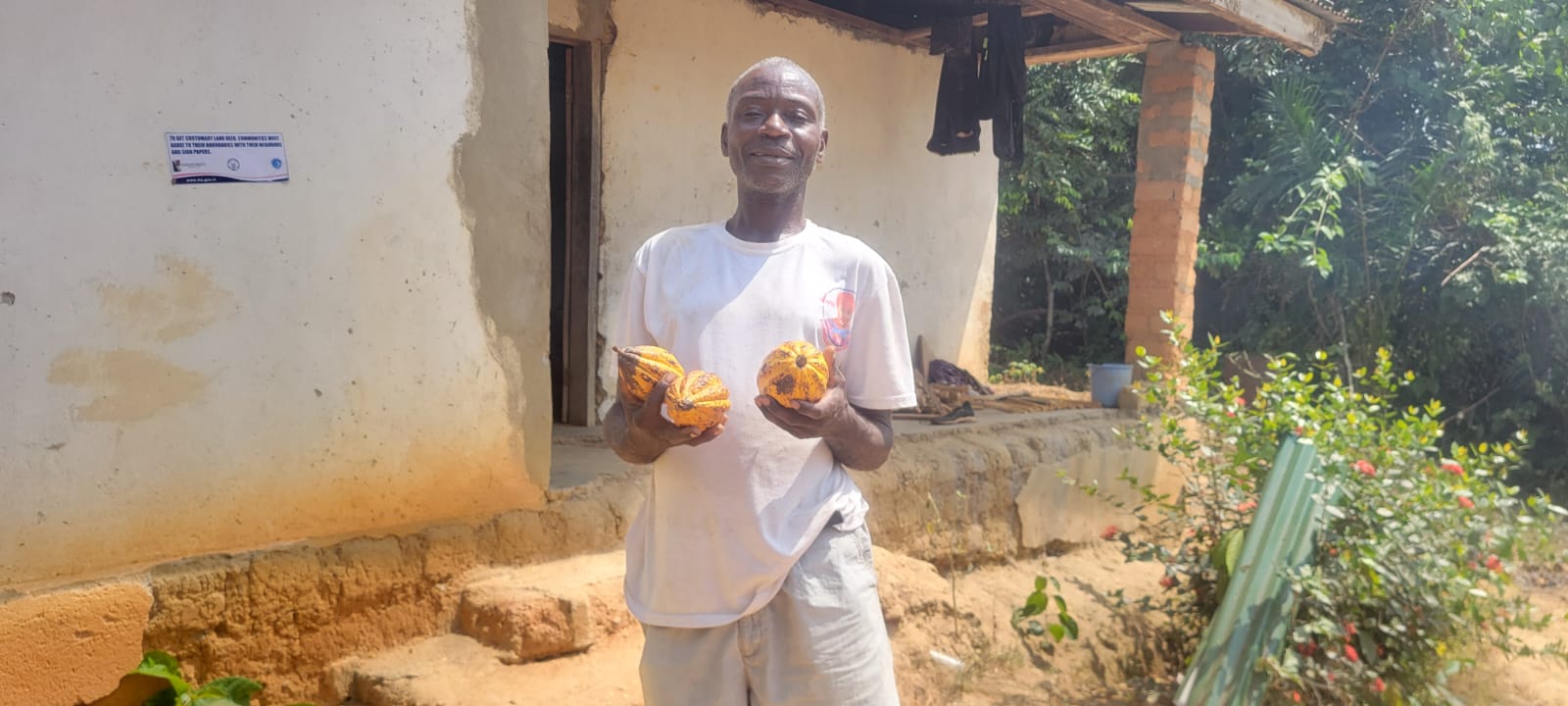
The FPPA gazettement has been supported by the EU, RSPB, Rainforest Trust, and SCNL itself, delivering tangible benefits to 158 communities and more than 50,000 people.
These include climatesmart agriculture for over 1,500 farmers, customary land formalisation, livelihood projects such as rice milling, and the creation of more than 100 jobs with strong participation from women and youth.
SCNL warns that suspending conservation activities will destabilize these gains and increase risks of illegal logging, wildlife trafficking, and forest degradation.
The organization further highlighted the international implications.
International Commitments and Donor Confidence
Since 2009, SCNL and partners have invested more than US$11.7 million in the Gola–Foya landscape, with millions more currently being deployed. The suspension threatens Liberia’s eligibility for future climatefinance opportunities, including US$20.68 million annually from the Tropical Forest Forever Facility and an estimated US$908 million from a potential REDD+ project.
A Shift Toward Commercial Logging
SCNL further warns that the suspension signals a troubling shift from sustainable forestry to commercial logging, despite Liberia’s longstanding governance challenges in the sector. Data from the forest sector shows that by 2019, logging companies owed communities US$37.6 million in unpaid land rentals, while government transferred only US$2.6 million of the US$27.7 million collected—just 10 percent instead of the legally required 30 percent.
As a result, communities received seven times less than their legal entitlement.
Logging has historically delivered low revenue, weak compliance, and limited community benefits. The recent example of the Tonglay Community terminating their logging contract due to nonpayment of fees highlights the risks communities face when short-term gains are prioritized over longterm sustainability.
SCNL stresses that these failures are not isolated but systematic, underscoring why conservation and communitydriven forest management must remain central to Liberia’s development strategy.
CarbonFinance and Biodiversity at Risk
Liberia is currently developing frameworks for carbonbased revenue through the Carbon Markets Authority, the National Carbon Policy, and the National REDD+ Strategy. These mechanisms require confidence in the permanence of Liberia’s forest carbon assets. Protecting highcarbon landscapes like Foya is essential for revenue generation and for attracting private investment into Liberia.
However, SCNL Without safeguarding Foya, Liberia risks losing credibility in carbon markets and forfeiting longterm financing opportunities that could transform rural livelihoods and national development.
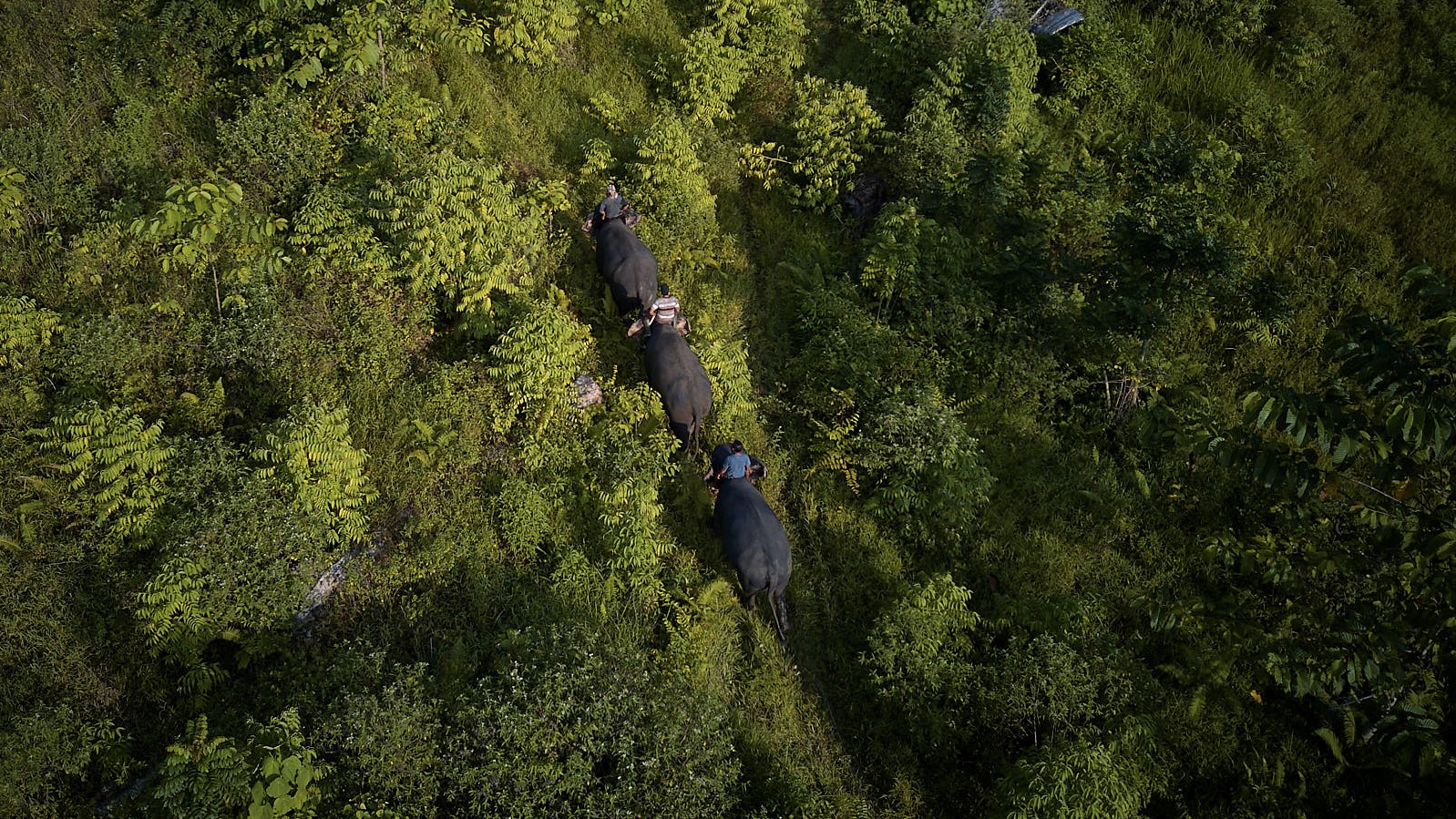
SCNL emphasized that Foya is one of the last intact blocks of the Upper Guinean Forest, home to critically endangered species such as the African Forest Elephant, Whitebellied Pangolin, and Chimpanzee. Protecting Foya is essential not only for biodiversity but also for Liberia’s emerging carbonfinance architecture.
The suspension also contradicts President Joseph Boakai’s
ARREST Agenda, which prioritizes environmental sustainability and climate finance. Pillar seven of the government of Liberia’s five year development strategy ‘the ARREST Agenda for Inclusive Development’ (AAID) strongly spoke about environmental sustainability.
“Liberia cannot afford to trade its natural heritage for shortterm gains,” SCNL stated. “Conservation is not the enemy of development; it is the foundation.”
FDA must rethink decision
SCNL is urging the FDA Managing Director to immediately reverse the suspension, the Executive to ensure compliance with national laws and international commitments, and the Legislature to exercise oversight and accountability.
The organization also calls on civil society, traditional leaders, and development partners to defend Liberia’s forests and uphold conservation agreements.