










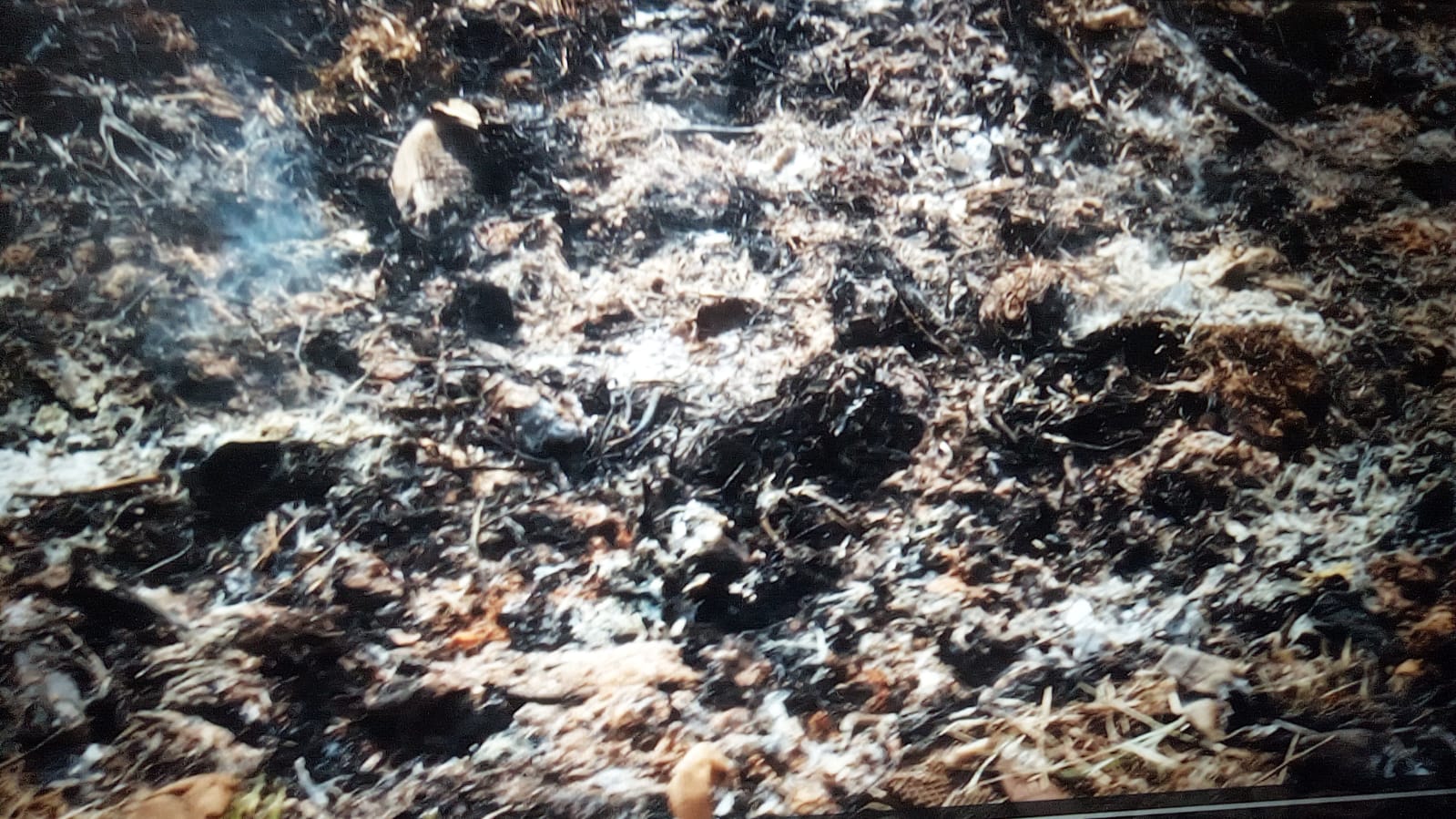
Monrovia and Paynesville, the two largest cities in Liberia are homes to more than 1.8 million people combined and face the daily struggles of waste disposal leaving residents in both cities to burn their garbage in the open.
This climate environmental hazardous practice is contributing significantly to rise in black carbon emissions as suggested by an assessment report released by GREENLIFE West Africa in 2025.
The report says the burning of waste is one of the major factors polluting the atmosphere at alarming levels, threatening both human health and the environment and contributing to climate change.
The assessment further revealed that more than 40% of residents in both cities are not aware of the danger of the greenhouse gas called black carbon that is emitted from open waste burning.
To address this challenge, the Paynesville City Corporation (PCC), in partnership with GREENLIFE West Africa, has launched a major awareness campaign to sensitize residents of the city on the dangers of open waste burning and burying. The campaign also encouraged community members to register with Community-Based Enterprises (CBEs) and Small and Medium Enterprises (SMEs) for proper disposal of their waste.

The day-long assessment revealed troubling realities of residents’ continued burning of waste in the open with the discovery of nearly 100 make-shift dumpsites in just one section of the community.
Romeo Coker, PCC’s Director of Commercial Waste, described Wood Camp as a “hot waste zone” due to its sheer volume of uncontrolled garbage. “Burning waste is dangerous to your health,” he warned residents. “We advise you to stop.”
Coker emphasized that the situation requires urgent attention, urging community leaders to take responsibility and work with PCC to reduce black carbon emissions.
Supporting PCC’s Efforts: Community Voices
The crisis in Wood Camp has also drawn the attention of the Liberia Agriculture and Sanitation Initiative (LASI) a local initiative that discovered 135 dumpsites across the community during its own assessment.
Madam Kortu Harris, Executive Director of LASI, stated that sanitation is not a luxury but a necessity. “This is not only about cleaning up waste,” she said. “It’s about restoring dignity, protecting the community, and creating healthier environments for our children and families.” Madam Harris called on communities, local authorities, donors, and Liberians in the diaspora to unite in tackling the problem, stressing that collective action is the only way forward.
Community Leader Commends Awareness Efforts on Waste Burning
Mr. Sonnie Jallah, Co-chairman of the Wood Camp Community, has expressed gratitude to the PCC and partners, along with community members, for their participation in a one-day assessment and community awareness campaign on the burning of waste, held on Tuesday March 10, 2026 in Paynesville.
Speaking at the end of the tour, Mr. Jallah extended appreciation to the directors, colleagues, and committee members who joined him in the exercise. He emphasized the importance of expanding such awareness initiatives beyond the immediate community.

“We will extend the awareness in the future to throughout the whole area,” Mr. Jallah said, noting that the campaign against harmful waste-burning practices must reach more residents to ensure healthier living conditions.
He also thanked PCC and partners for inviting him to contribute to the dialogue and praised community dwellers for their active involvement. “I’d like to thank you for taking the time to share your awareness around. I’d like to thank the community dwellers. Thank you,” he remarked.
The community tour forms part of ongoing efforts by the PCC and partners, together with local leaders, to educate residents on the environmental and health risks associated with burning waste, while encouraging safer disposal practices.
A message for improving community waste management
The presence of widespread make-shift dumpsites in Wood Camp reflects a broader crisis across Liberia’s urban centers. However, it also reveals hope.

With PCC, GREENLIFE West Africa, LASI, and community leaders working together, neighborhoods can be transformed from waste zones into healthier, dignified spaces.
The message was clear. Sanitation is the foundation of stronger communities. With collective effort, the fight against black carbon emissions from open waste burning can pave the way for cleaner air, safer streets, and a brighter future for Monrovia and Paynesville.