

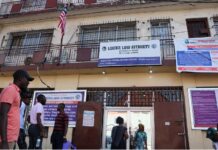








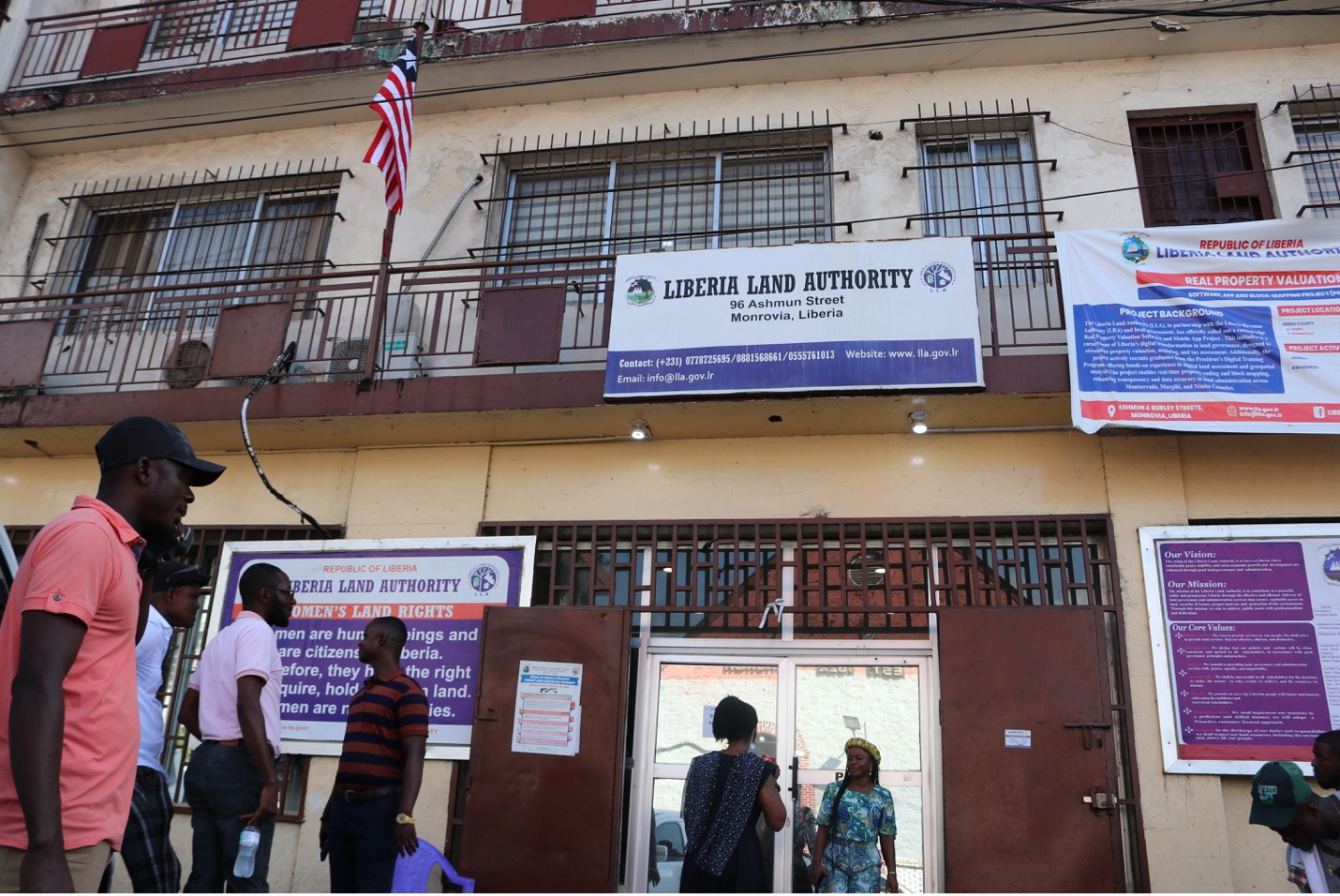
Liberia’s land reform efforts must move beyond legislation to real-world impact, the head of the Liberia Land Authority (LLA) said Tuesday, as a new European Union–funded project was launched to strengthen community land rights.
Executive Chairman Samuel F. Kpakio told stakeholders at the launch of the Strengthening Community Action for Land and Economic Security (SCALES) project that the landmark Land Rights Act (LRA), passed in 2018, remains largely symbolic unless ordinary Liberians feel its benefits.
“The passage of the Land Rights Act was a historic milestone, especially in recognizing customary land rights,” Mr. Kpakio said. “But the true measure of success lies not in the legislation itself, but in its effective implementation.”
Persistent Challenges
The LRA was hailed internationally for granting legal recognition to customary land ownership, a first in Liberia’s history. However, implementation has been slow. Analysts point to limited public awareness, weak local institutions, overlapping claims, and disputes between communities and concessions as obstacles. Critics also note that rural populations often lack the resources to formalize their land rights, leaving them vulnerable to exploitation.
EU Provides €500,000 Support
The European Union has provided €500,000 to support the SCALES project, which aims to accelerate land formalization and strengthen community governance. Mr. Kpakio described the funding as “generous and impactful,” adding that it reflects renewed international confidence in Liberia’s land sector.
He credited civil society groups, including the Development Education Network–Liberia (DEN-L), the Rights & Rice Foundation, and the Liberia Sustainable Green Board, for their advocacy and technical support.
Focus on Communities
Mr. Kpakio said the LLA will shift its focus from policy-making to community-level engagement. He stressed that women, youth, and persons with disabilities must be prioritized under the SCALES project, calling equitable access to land “a question of justice and dignity.”
“When communities are informed, organized, and supported, they are better positioned to secure their land, manage it sustainably, and leverage it for inclusive economic growth,” he noted.
Commitment to Reform
Reaffirming the Authority’s role, Mr. Kpakio pledged that the LLA will provide technical guidance and institutional support to ensure the project delivers lasting results.