












A proposal by President Joseph Nyuma Boakai to authorize the printing of additional Liberian dollar banknotes between 2026 and 2030 has entered a critical phase of legislative review, underscoring the political and economic sensitivities surrounding the plan.
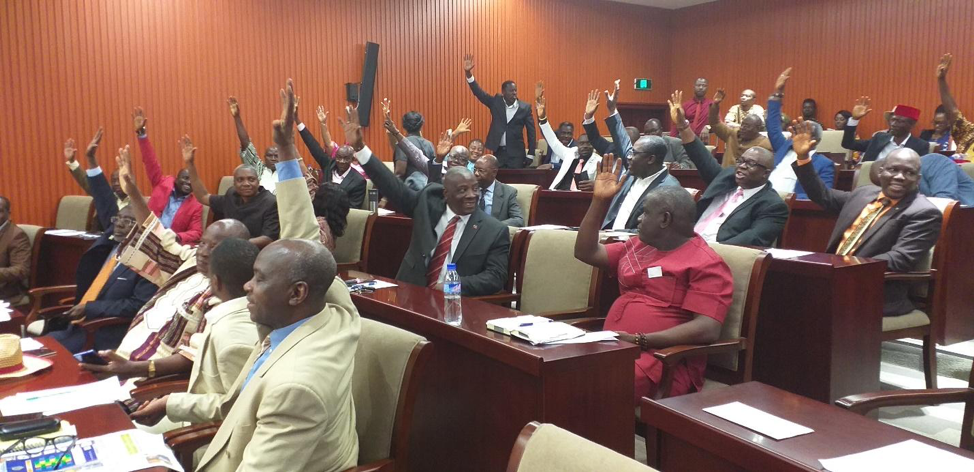
The House of Representatives has tasked its Banking and Currency Committee with conducting a comprehensive investigation into the proposal. Lawmakers are seeking clarity on the volume of currency to be issued, procurement procedures, inflation safeguards, and broader macroeconomic implications.
Liberia’s economy is projected to grow by more than 5 percent in 2026, driven by agriculture, mining, trade, and telecommunications. With cash transactions still dominant, officials at the Central Bank of Liberia (CBL) argue that the printing exercise is necessary to replace worn-out notes and meet rising demand.
“The primary need is the replacement of mutilated banknotes and responding to an expanding economy,” said P. Mah Kruah, a senior CBL official, during a media briefing in Monrovia.
Lawmakers, however, remain cautious. Concerns focus on whether the measure could fuel inflation, weaken the Liberian dollar, or erode public confidence in the financial system. “This review is about ensuring accountability and protecting the economy,” a committee member said, emphasizing the need for transparency.
The CBL insists the issuance will be calibrated to match GDP growth and transaction demand, with safeguards including open market operations and reserve requirement adjustments. Officials warn that failing to expand money supply in line with economic activity could distort transactions and slow growth.
Despite efforts to promote digital finance, cash remains dominant in Liberia, particularly in rural areas where infrastructure and literacy challenges persist. The Bank has introduced reforms such as the Real-Time Instant Payment System, but officials stress that digital and physical currency remain complementary.
Global supply constraints add urgency to the proposal. Rising worldwide demand for banknotes has led to delays even in advanced economies. “We are a small economy—we are not at the front of the queue,” said CBL official Mussah Kamara, noting that delivery of new notes could take up to two years.
The Bank points to its 2021–2024 printing exercise, which involved international oversight, as evidence of its commitment to transparency. Safeguards for the new plan include legislative authorization, competitive procurement, independent audits, and public communication campaigns.
A few years ago, the former government of George Weah planned to print about 48billion of local currency banknotes.
At stake is more than currency supply. The debate touches on Liberia’s broader economic governance, monetary stability, and public trust. “This is a test of institutional credibility,” one lawmaker observed. “Handled transparently, it can strengthen confidence. Mishandled, it risks deepening skepticism.”