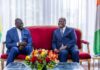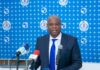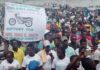







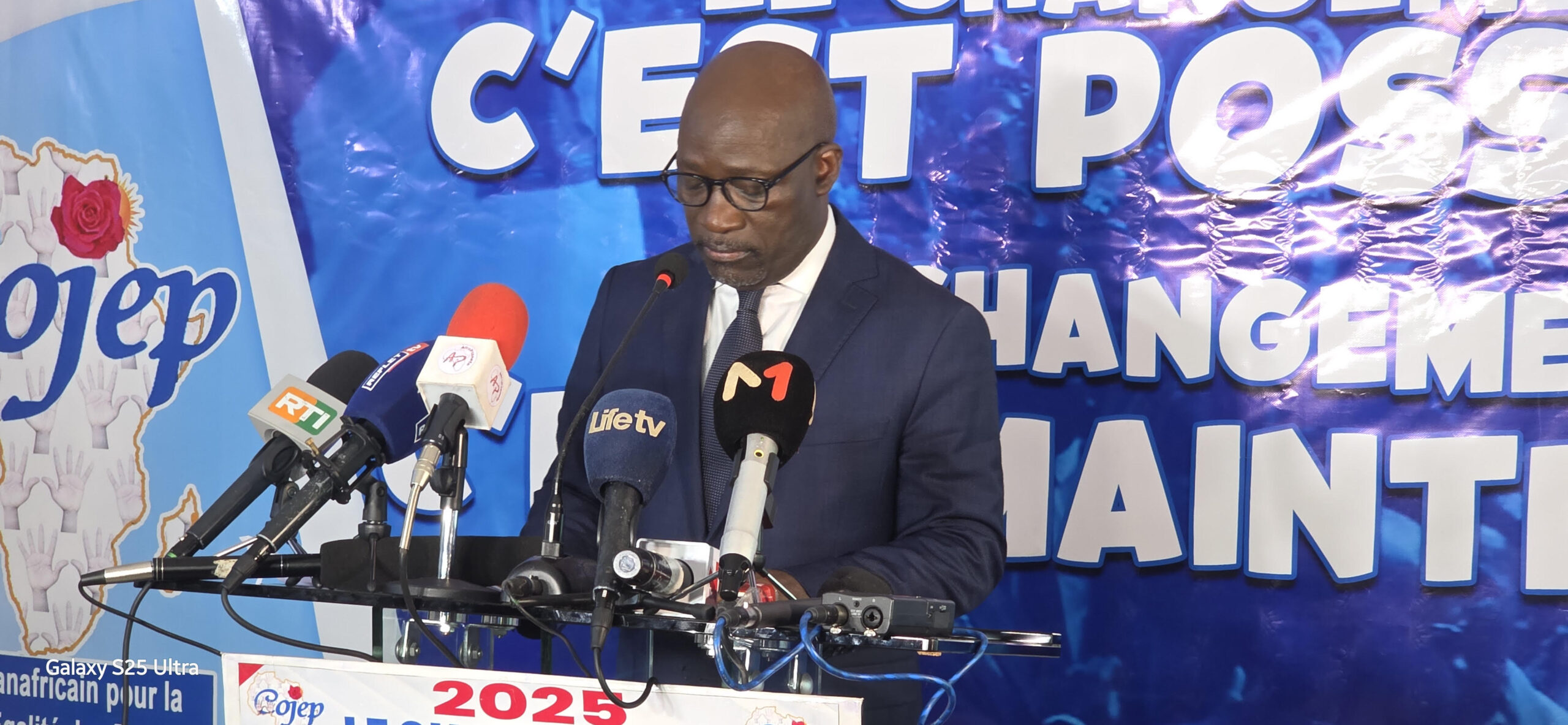
With just days into Côte d’Ivoire’s official 14-day presidential campaign period, candidates are ramping up efforts ahead of the October 25 vote.
Incumbent President Alassane Ouattara is spotlighting his economic achievements, while opposition contenders are rallying around concerns over political exclusion.
Ouattara Emphasizes Continuity and Growth
President Ouattara, representing the Rally of Houphouëtists for Democracy and Peace (RHDP), is seeking a fourth term in office—a move that has sparked debate over constitutional limits. Launching his campaign with large rallies in traditional strongholds, Ouattara has framed his candidacy around themes of stability, development, and peace.
“We have brought prosperity and peace,” he declared during a recent address, citing infrastructure expansion and sustained economic growth as key accomplishments. His campaign team argues that continued leadership is vital to solidify Côte d’Ivoire’s position as a regional economic hub.
Opposition Candidates Challenge the Status Quo
The opposition field, comprising four validated candidates, faces the challenge of mobilizing support amid widespread frustration over the disqualification of prominent figures, including former President Laurent Gbagbo and Democratic Party (PDCI) leader Tidjane Thiam. Critics have described the election as an “organized plebiscite,” questioning its democratic integrity.
Rising Tensions and Security Concerns
The campaign unfolds under heightened political sensitivity. The exclusion of key opposition figures has already triggered public demonstrations, and recent government restrictions on protests have drawn criticism from opposition groups, who accuse authorities of suppressing dissent.
The Independent Electoral Commission (CEI) has urged all parties to maintain a peaceful campaign environment. However, Liberia Public Radio correspondent in Abidjan says, tensions remain high, with unresolved grievances over the Constitutional Council’s decisions likely to shape the political discourse through election day.
Electoral Process and Outlook
The October 25 election will be decided by an absolute majority. If no candidate secures more than 50 percent of the vote, a runoff will be held. The winner will serve a five-year term.
As the campaign intensifies, observers are closely monitoring both the political climate and the public’s response to competing narratives of progress and inclusion.