




Liberia and Sierra Leone, both still navigating fragile post-conflict recoveries, are facing renewed criticism from civil society groups and regional observers over what many describe as a rollback of free speech and political dissent.
Recent prosecutions and disciplinary actions have sparked alarm about shrinking civic space and weakening democratic norms.
Expulsions and Imprisonments
In Liberia, the expulsion of Representative Yekeh Kolubah on April 17, 2026, has drawn sharp criticism. Kolubah was removed from the House of Representatives after remarks suggesting Guinea’s territorial claim in a border dispute might be valid. Critics argue the punishment was disproportionate and aimed at silencing an independent voice.
Earlier, on February 13, social media influencer Justine Oldpa Yeazeahn, known as Prophet Key, was sentenced to six months in prison for criminal contempt after insulting Chief Justice Yamie Quiqui Gbeisay and accusing the Supreme Court of corruption. He was ordered to serve 180 days at Monrovia Central Prison, issue repeated public apologies, and sign a behavior bond.
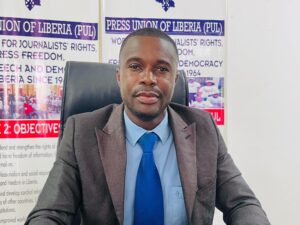
The Press Union of Liberia (PUL) condemned these actions, warning of a “gradual erosion of democratic norms.” In a statement titled “No Rescue Without Freedom”, the union stressed that freedom of speech is a constitutional right under Article 15 and cautioned against legislative rollbacks that could reintroduce criminal penalties for speech.
Opposition Voices Targeted in Sierra Leone
Across the border, Sierra Leone has faced similar scrutiny following the sentencing of entertainer-turned-politician Zainab Sheriff. On April 14, 2026, Sheriff, a member of the opposition All People’s Congress (APC), was convicted of incitement and threatening language after remarks at a political rally. She was sentenced to four years and two months in prison.
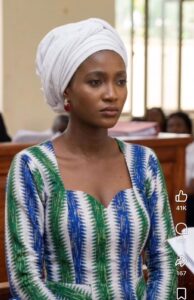
The Lawyers’ Society of Sierra Leone condemned the ruling as “unjustifiably excessive,” arguing that Sheriff’s comments should not have resulted in criminal prosecution. They criticized the denial of bail and warned that such punitive measures risk discouraging citizens from voicing diverse perspectives.
Civil Society Response
Civil society organizations in both countries have raised concerns that these developments signal a broader pattern of selective justice and intolerance for dissent. Observers warn that restricting free expression could undermine democratic gains achieved since the end of the civil wars.
A regional analyst noted, “These are not isolated incidents. They point to a broader tension between maintaining public order and respecting fundamental freedoms, and are signs of creeping dictatorship.”
Press Union of Liberia frowns
The Press Union of Liberia and the Lawyers’ Society of Sierra Leone have both urged their governments to uphold freedom of expression, respect judicial independence, and ensure proportional penalties for speech-related offenses. They argue that democracy is tested not in moments of agreement, but in how societies treat dissent.
As Liberia and Sierra Leone grapple with economic hardship and political uncertainty, the suppression of dissent risks deepening public frustration and eroding trust in governance. Regional observers caution that unless governments reaffirm their commitment to democratic principles, hard-won gains in press freedom and civic participation could be reversed.
Story first published by Front Page Africa