












Monrovia – Liberia’s Ministry of Health has issued a public advisory following confirmation of Ebola Virus Disease cases in Ituri Province, Democratic Republic of the Congo, raising fresh concerns about the country’s preparedness to confront potential public health threats.
The May 16 advisory emphasized that no Ebola cases have been detected within Liberia’s borders. Authorities urged citizens to remain vigilant, practice hand hygiene, and promptly report suspected cases, while stressing that there is no immediate cause for alarm.
A Nation Haunted by Past Epidemic
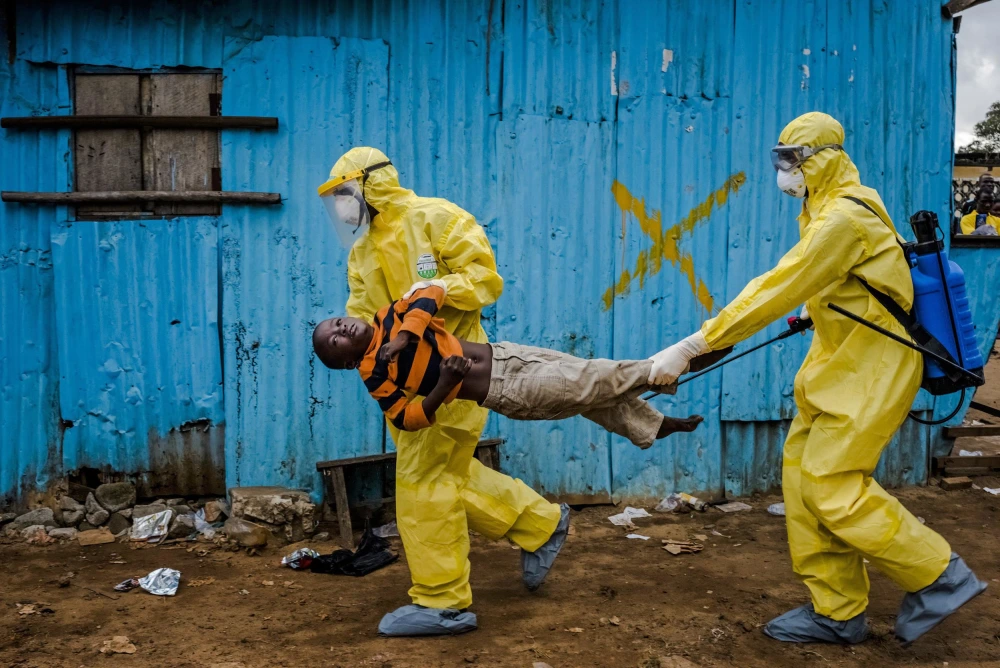
Liberia’s caution reflects painful memories of the 2014–2016 West African Ebola epidemic, which claimed thousands of lives and exposed deep weaknesses in the nation’s healthcare system. Hospitals closed, medical staff died in large numbers, and public trust in health institutions eroded. The crisis overwhelmed the then Unity Party-led government under former President Ellen Johnson Sirleaf, highlighting systemic failures in disease surveillance, infrastructure, and medical capacity.
Since then, Liberia has made notable strides with support from partners such as the World Health Organization and Africa CDC. Surveillance systems, laboratory capacity, and emergency response mechanisms have been strengthened, while public awareness campaigns have become more structured. Yet challenges remain.

Rural clinics still struggle with basic supplies, healthcare worker retention is fragile, and funding gaps persist. While Monrovia has seen improvements, vast areas of the country remain underserved, leaving experts concerned about whether preparedness on paper can translate into effective real-time response.
The outbreak in eastern DRC underscores the transnational nature of infectious diseases. Regional mobility and trade mean Liberia’s exposure risk, though currently low, cannot be dismissed. Ebola spreads through direct contact with infected bodily fluids, contaminated surfaces, and infected animals, with transmission beginning only after symptoms appear—making early detection and rapid isolation critical.
Calm, But Not Complacent
For many Liberians, the advisory is more than routine—it is a reminder of national trauma. Questions linger: Are health workers adequately protected? Will communities cooperate with authorities if fear resurfaces?
The government insists there is no cause for panic. But experts warn that complacency is dangerous. Sustained investment, transparency, and community engagement are essential if Liberia is to avoid repeating history.
As the nation watches developments in Central Africa, Liberia stands at a crossroads—armed with experience, yet shadowed by vulnerability. The true test will be whether lessons from the past can prevent another crisis.