












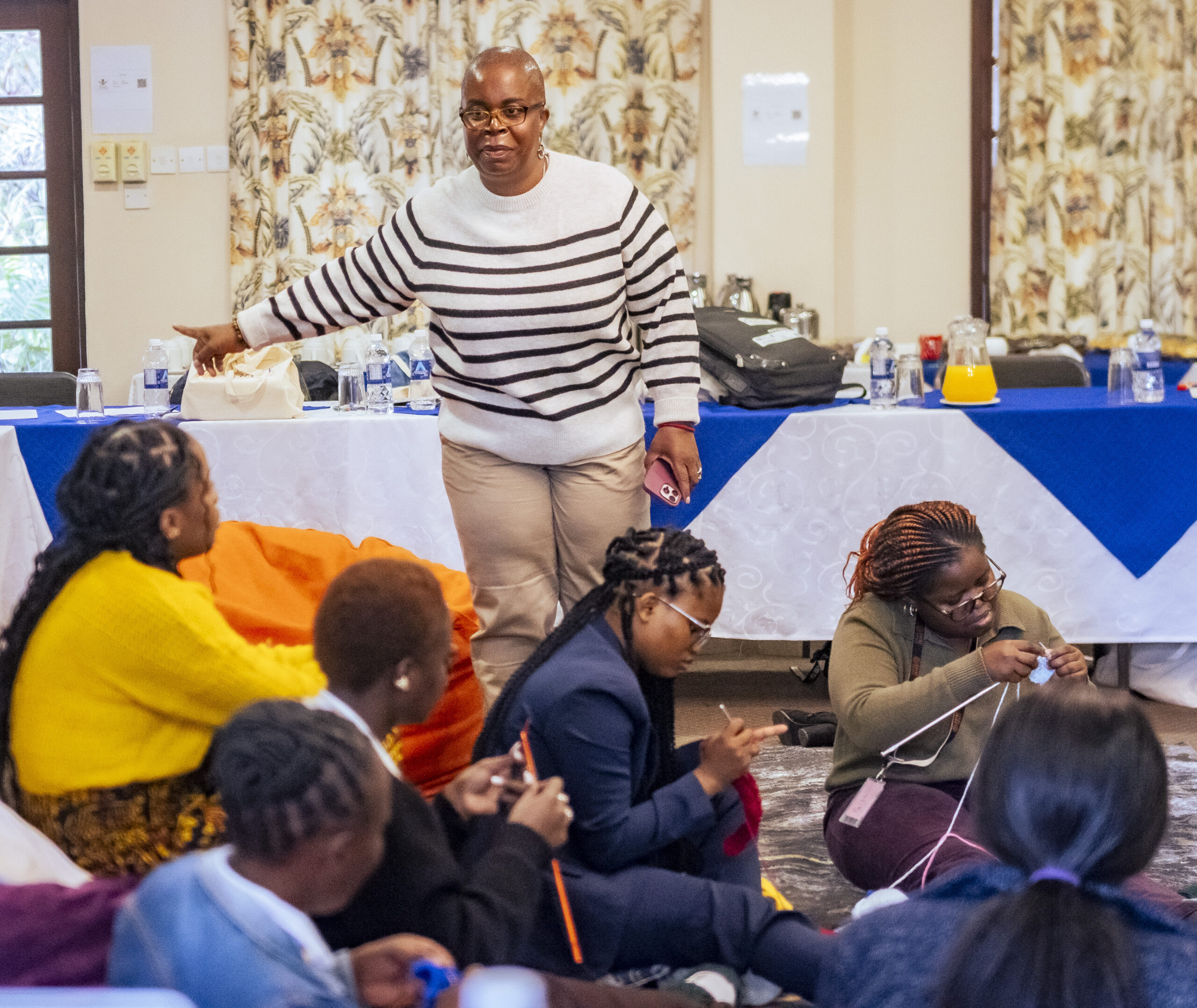
African ecofeminist leaders meeting in Harare have called for a just, feminist, and community‑centred energy transition that safeguards women’s rights, ecosystems, and local livelihoods as demand for transition minerals surges across the continent.
Organized by Shine Collab under the theme “Building Ecofeminist Futures Beyond Extractivism and Transition Mineral Frontiers,” the week‑long convening comes as Africa’s lithium, cobalt, graphite, copper, nickel, and rare earth reserves become increasingly vital to the global clean energy economy.
While acknowledging the role of renewable energy in tackling the climate crisis, participants warned against replicating extractive models that have historically fueled exploitation, dispossession, and environmental harm.
“A truly just energy transition cannot be achieved if it is built on the continued exploitation of African communities, ecosystems, and women’s labour,” said Dr. Melania Chiponda, Executive Director of Shine Collab. “Climate action must place justice, dignity, ecological integrity, and community wellbeing at its centre.”
Delegates from the Democratic Republic of Congo, Malawi, Mozambique, Zimbabwe, South Africa, and Kenya highlighted recurring challenges: environmental degradation, land dispossession, inadequate compensation, and shrinking civic space despite vast mineral wealth.
Sibongile Ndlovu, Project Coordinator at EarthLife South Africa, stressed that women’s voices remain excluded from decision‑making:
“Leaders are discussing without the participation of women. Policies do not capture women’s perspectives and lived experiences.”
Calls for Accountability
Participants urged stronger legal protections, environmental accountability, and meaningful public participation in resource governance. They cautioned that rising demand for transition minerals must not become another chapter of resource exploitation under the banner of climate action.
Discussions also examined continental and global policy frameworks, including the African Union climate agenda, the Global Goal on Adaptation, Loss and Damage financing, the Gender Action Plan, Mission 300, and the UN Guiding Principles on Critical Energy Transition Minerals.
Salina Sanou, a climate‑gender advocate, emphasized the need to recognize women, Indigenous Peoples, youth, and grassroots organizations as equal partners in shaping energy policies.
Personal testimonies underscored the resilience of African women confronting environmental degradation, gender inequality, child marriage, and poverty. Traditional leaders reaffirmed women’s historic role in protecting land, water, and biodiversity, highlighting the importance of Indigenous knowledge in building sustainable futures.
Beyond critique, participants showcased community‑led renewable energy projects, food sovereignty initiatives, and care‑centred economies as viable alternatives to extractivist development.
The convening concluded with calls for development pathways that transform unequal power systems, uphold environmental justice, and place women’s leadership at the heart of Africa’s energy future.
Shine Collab, a global feminist network, continues to advance women‑led energy access, climate justice, and community power across Africa and the Global South.