
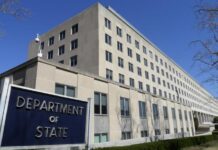







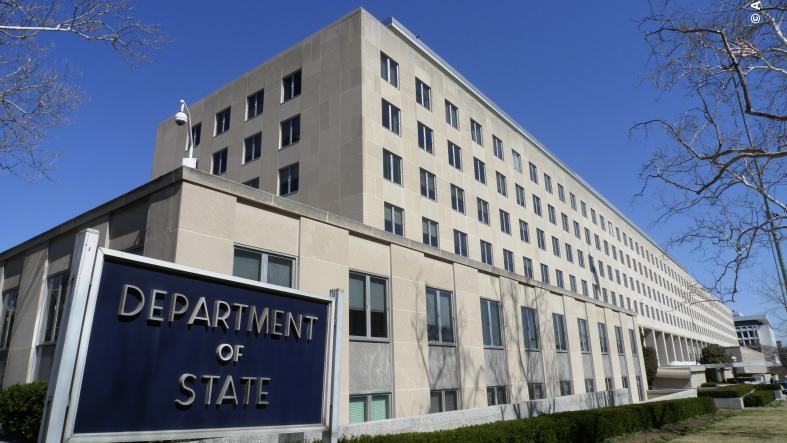
Liberia offers significant opportunities in mining, agriculture, energy, and infrastructure, but corruption, judicial inefficiencies, unclear land ownership, and weak institutional capacity continue to deter foreign investment, according to the U.S. Department of State’s 2026 Investment Climate Statement on Liberia.
The report presents a mixed assessment of the country’s investment environment, noting positive macroeconomic trends alongside longstanding governance and structural challenges that investors are expected to navigate.
Liberia’s economy expanded by 5.1% in 2025, supported by growth in agriculture, services, and extractive industries, according to the report. Export volumes increased by 31.5%, while inflation eased to 8.5% by December 2025, reflecting improved economic conditions.
However, the State Department said that despite these gains, foreign direct investment continues to be constrained by what it described as a weak legal and regulatory framework, limited transparency in public procurement, and widespread corruption.
Corruption Remains a Key Investor Concern
The report identifies corruption as one of the most significant obstacles facing investors in Liberia.
“Stakeholders widely regard corruption as the primary brake on Liberia’s democratic consolidation and economic growth,” the report states, adding that corruption discourages investment, suppresses job creation, and contributes to instability.
According to the assessment, foreign investors, including U.S. companies, consistently cite corruption as a leading deterrent to doing business in Liberia. The report notes recurring complaints from multinational firms regarding unofficial fees, charges not outlined in investment agreements, and allegations of extortion by public officials at various levels of government.
While acknowledging the existence of anti-corruption laws and institutions, the State Department said implementation remains inconsistent.
The report also highlights anti-corruption initiatives undertaken by President Joseph Boakai’s administration, including enforcement of asset declaration requirements, reviews of questionable public contracts, and efforts to establish a specialized court to prosecute corruption-related offenses.
Judiciary Faces Capacity and Independence Challenges
Liberia’s judicial system is also cited as a major concern for investors.
The Commercial Court, which handles business disputes exceeding US$15,000, reportedly faces severe case backlogs, with matters taking between two and five years to reach resolution.
The report further notes concerns about judicial independence and difficulties in enforcing court judgments, particularly in cases involving government entities.
It also cites reports alleging that some court officials solicit bribes to process cases and points to recurring allegations of executive influence in judicial and legislative affairs.
Land Ownership and Property Rights Concerns
Land rights remain another area of significant risk for investors, according to the report.
Liberia’s Constitution restricts land ownership to citizens of Negro descent, requiring foreign investors to obtain long-term leases rather than outright ownership.
The State Department report estimates that less than one-quarter of the country’s land has been formally registered, creating uncertainty over ownership rights. It further notes that overlapping land claims and conflicting property records are common.
In some cases, the report states, concessions have been granted without the knowledge or consent of local communities, resulting in disputes that can persist long after operations have begun.
Consequently, investors may face costly legal and community-related conflicts even after completing agreements with government authorities.
Underdeveloped Financial Sector
The report describes Liberia’s financial sector as underdeveloped and constrained by structural weaknesses.
Liberia does not have a domestic stock exchange, limiting access to capital markets. The banking sector continues to face elevated levels of non-performing loans, estimated at approximately 16% of total lending.
Commercial borrowing costs remain high, with interest rates ranging from 18% to 25%, while collateral requirements can reach up to twice the value of loans.
The report also points to limited U.S. dollar liquidity and reduced engagement by some international banks, factors that continue to restrict access to financing.
Skills Shortages and Labor Market Challenges
Although labor costs are comparatively low, Liberia faces significant workforce development challenges.
The State Department cites a functional literacy rate below 50%, contributing to shortages of skilled workers across several sectors. Businesses reportedly face difficulties recruiting qualified personnel in fields such as information technology, engineering, healthcare, and other science-based professions.
The report also highlights concerns about child labor, particularly within parts of the extractive sector, and says labor inspection and enforcement mechanisms remain inadequate.
Growth Opportunities Across Multiple Sectors
Despite the challenges, the report identifies substantial investment potential across several sectors of the Liberian economy.
Opportunities highlighted include mining, particularly iron ore, gold, and diamonds; commercial agriculture, including rubber, palm oil, cocoa, and coffee; forestry; transportation infrastructure; energy; telecommunications; healthcare; financial services; waste management; tourism; and logistics.
The report notes that Liberia’s Business Corporation Act and Limited Liability Company Act allow for up to 100% foreign ownership in many sectors and provide a modern legal framework for foreign investors.
It also highlights Liberia’s membership in international investment protection mechanisms, including the International Centre for Settlement of Investment Disputes (ICSID) and the New York Convention on the Recognition and Enforcement of Foreign Arbitral Awards.
Among recent reforms, the report points to the US$40 million Liberia Investment, Finance, and Trade Project (LIFT-P), supported by the World Bank, which seeks to improve customs and trade efficiency. It also notes ongoing modernization efforts at the Freeport of Monrovia, led by APM Terminals, aimed at increasing port activity and expanding operational capacity.
Guidance for Investors
The State Department advises prospective investors to undertake comprehensive due diligence, develop credible local partnerships, and maintain close engagement with the U.S. Embassy in Monrovia.
The report warns that companies should anticipate administrative delays, particularly in obtaining licenses and regulatory approvals, and should plan for extended implementation timelines.
It also notes that the absence of a bilateral tax treaty between Liberia and the United States may expose some investors to double-taxation risks, making careful tax planning essential.
Overall, the report concludes that while Liberia presents notable opportunities in a resource-rich and strategically located market, investors must be prepared to navigate governance, regulatory, and infrastructure challenges that continue to affect the country’s business environment.