








By Roland Harris Wah Jr. / Zwedru
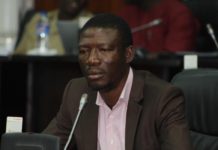
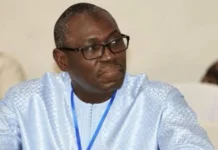
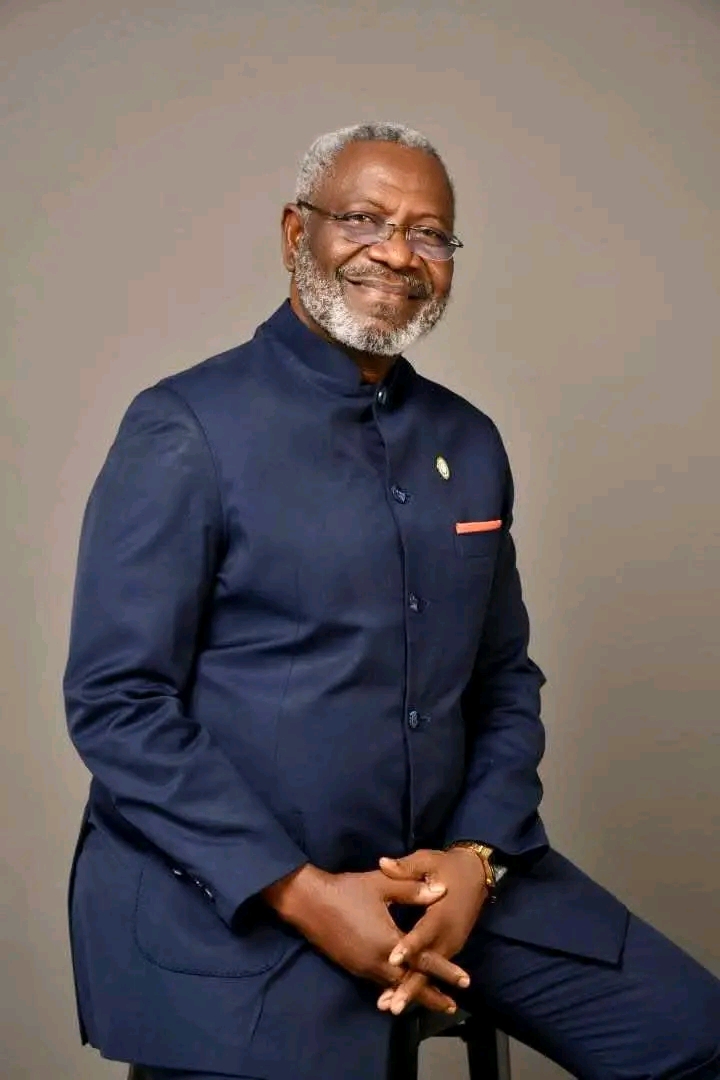
Zwedru, Grand Gedeh County — The race for Grand Gedeh’s 2029 senatorial seat is already stirring political debate, as Dr. William Deah Deiyan Towah, Sr. steps forward with a citizen engagement drive that signals his intent to challenge incumbent Senator Zoe Emmanuel Pennue.
Dr. Towah, a former Director of Administration and Finance at the ECOWAS Community Court of Justice, has positioned himself as a reform-minded contender, framing his candidacy around concerns about development stagnation and the welfare of ordinary citizens. His public reflections, rooted in both personal conviction and spiritual inspiration, underscore a narrative of leadership renewal.
“The Lord spoke to me: What you are seeing today in your homeland, are you happy? Are you satisfied?” Towah recounted to supporters in Zwedru, suggesting that effective representation is the key to unlocking Grand Gedeh’s potential.
Towah’s Political Entry
Towah’s international administrative background is being leveraged as a cornerstone of his appeal. Supporters argue that his exposure to regional governance structures could translate into stronger advocacy for Grand Gedeh at the national level. His early outreach strategy—meeting citizens directly—reflects a deliberate attempt to build grassroots legitimacy before the campaign season formally begins.
The Incumbent Factor
Senator Zoe Emmanuel Pennue, who currently holds the seat, remains a formidable presence in Grand Gedeh politics. His tenure will inevitably shape voter perceptions as the county weighs continuity against change.
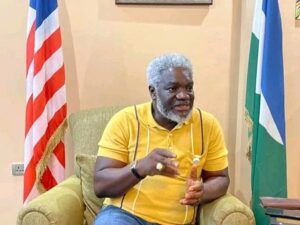
Analysts note that Towah’s challenge introduces a potential clash between established political authority and fresh technocratic ambition.
Broader Implications
The 2029 senatorial election in Grand Gedeh is expected to draw significant public interest, not only because of the personalities involved but also due to the broader national context. Liberia’s electorate has increasingly demanded accountability and tangible development outcomes from its leaders.
In this environment, Towah’s emphasis on effective representation resonates with citizens who feel underserved.
Observers suggest that the contest could evolve into a test of competing visions: one rooted in longstanding political networks, and another in international experience and reformist zeal.