








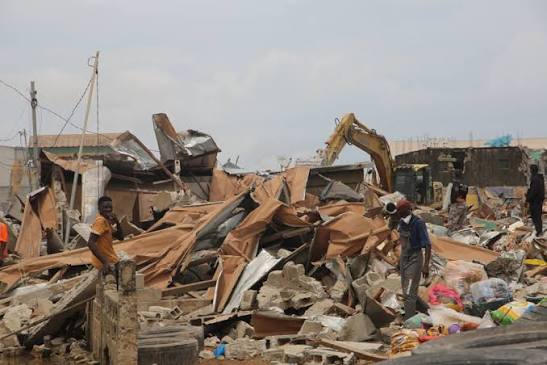
ABIDJAN, Côte d’Ivoire — Nearly four months after a large-scale eviction operation in the Vridi 3–Zimbabwe settlement, displaced families say they continue to grapple with the social and economic consequences of the demolitions, while calling for dialogue and longer-term support to rebuild their lives.
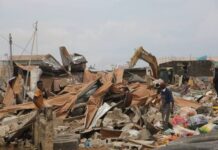
The community, located in the Port-Bouët municipality of Abidjan, was affected by an eviction exercise that began on June 2, 2026, resulting in the destruction of homes and the displacement of numerous residents.
As the impacts continue to unfold, the Collective of Displaced Residents of Vridi 3–Zimbabwe plans to bring the experiences of affected families to public attention during a press conference scheduled for October 4 at the former community site.
The group says its objective is not only to revisit the demolition itself but also to highlight the challenges residents have faced since losing their homes, including difficulties securing shelter, loss of livelihoods, property damage, disruptions to children’s education and reduced access to essential services.
From Demolition to Displacement
For many residents, the effects of the eviction have extended far beyond the loss of physical structures.
According to the Collective, numerous families have struggled to re-establish stable living conditions, particularly where homes and sources of income were lost simultaneously. Many residents who operated small businesses or informal economic activities within the community say their livelihoods were directly affected.
To document the scale of the impact, the organization has launched a registration and assessment exercise aimed at identifying affected individuals and recording their circumstances. The initiative covers a broad range of residents, including property owners, tenants and others directly affected by the operation.
Findings from the exercise are expected to form part of the materials presented during the October 4 press conference.
Authorities Acknowledge Social Impact
The evictions have also drawn attention from public authorities.
In a statement issued on June 3, the Port-Bouët Municipal Council reportedly indicated that the operation fell under the jurisdiction of the Autonomous District of Abidjan. The municipality also referred to the involuntary displacement of residents and the destruction of property, expressing concern over aspects of the operation and calling for consideration of the needs of affected families.
Further official intervention followed on June 23, when the Ministry of National Cohesion, Solidarity and the Fight Against Poverty announced the distribution of food and non-food assistance to households affected by eviction operations, including families from Vridi 3–Zimbabwe.
While welcoming emergency assistance, displaced residents say their concerns extend beyond immediate humanitarian support to longer-term issues such as housing, income recovery and social reintegration.
Building a Record of Affected Families
A central objective of the Collective’s initiative is to establish a comprehensive record of those affected by the eviction.
The organization argues that systematic documentation is essential for understanding the full impact of the operation and for informing discussions with government institutions, civil society organizations and other stakeholders.
During the planned press conference, the Collective says it will present findings from its documentation exercise, supported by testimonies, photographs, official records and other available evidence.
The group has stated that it intends to distinguish clearly between verified facts, personal accounts and issues that remain unresolved or require further clarification.
A Call for Dialogue
Beyond documenting losses, the October meeting is expected to serve as a platform for engagement between affected residents and public institutions.
The Collective is calling for continued identification of displaced families, dialogue with relevant authorities, consideration of support measures and special attention to vulnerable households.
It is also advocating for a structured mechanism through which residents’ concerns can be examined with government agencies and other institutions responsible for addressing displacement-related challenges.
According to the organization, its approach is grounded in peaceful engagement, transparency, dignity and constructive dialogue.
Looking Beyond the Demolitions
As the situation evolves, the story of Vridi 3–Zimbabwe increasingly centers on what happens after displacement and how communities recover from forced relocation.
For affected families, key concerns include access to stable housing, restoration of livelihoods, continuity of education for children and the documentation of losses suffered during the operation.
The October 4 press conference is expected to provide residents with an opportunity to publicly present these concerns while encouraging engagement from government institutions, civil society organizations, the media and development partners.
For many displaced residents, the central question is no longer what happened on June 2, but how the long-term social and economic consequences of the eviction can be addressed and how affected families can participate in shaping decisions about their future.